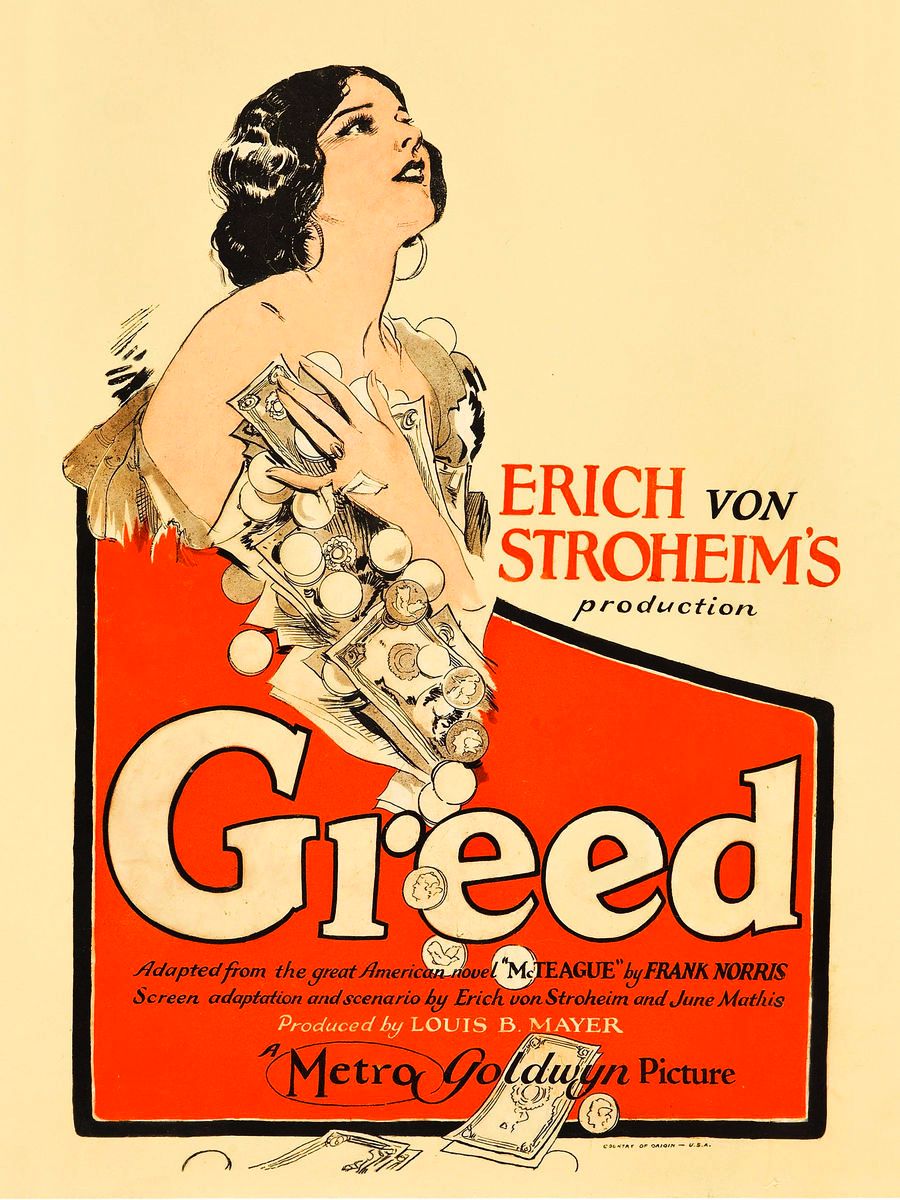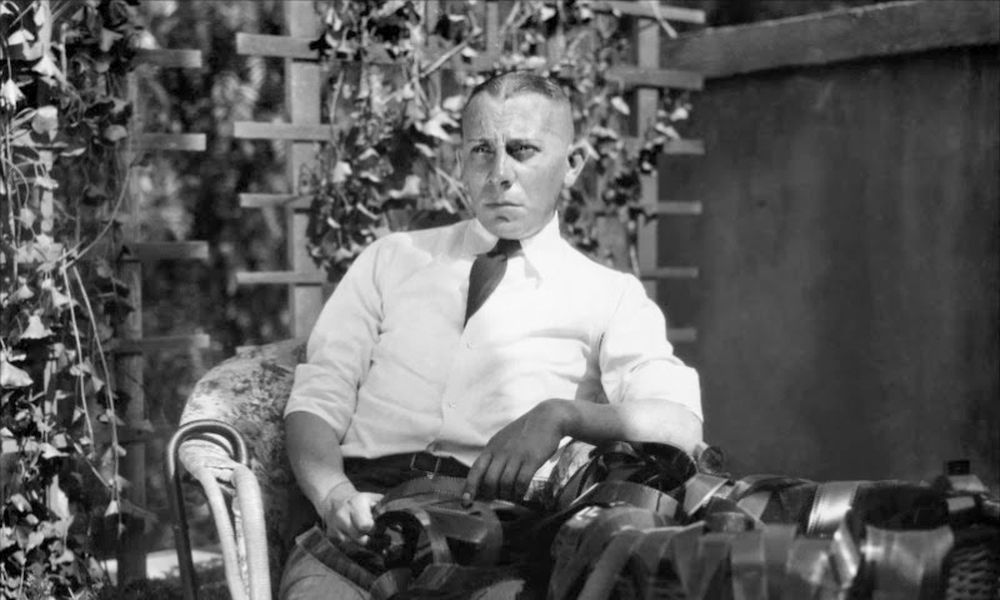
"One of the greatest directors in the history of cinema, Stroheim was fated, largely by his own inability to compromise his art for commercial ends, to achieve only a very small output, and to see five of the nine films he made as director 'improved' by other hands." - David Robinson (The International Encyclopedia of Film, 1972)
Erich von Stroheim
Director / Actor / Screenwriter / Production Designer / Producer
(1885-1957) Born September 22, Vienna, Austria-Hungary (now Austria)
Top 250 Directors
(1885-1957) Born September 22, Vienna, Austria-Hungary (now Austria)
Top 250 Directors
Key Production Country: USA
Key Genres: Drama, Melodrama, Romance, Romantic Drama, Marriage Drama, Psychological Drama
Key Collaborators: Ben F. Reynolds (Cinematographer), Richard Day (Production Designer), Dale Fuller (Character Actor), Gibson Gowland (Leading Actor), ZaSu Pitts (Leading Actress), William Daniels (Cinematographer), Frank E. Hull (Editor), Maude George (Leading Character Actress), George Fawcett (Leading Character Actor), Tully Marshall (Leading Character Actor), Sylvia Ashton (Character Actress), Wilhelm von Brincken (Character Actor)
Key Genres: Drama, Melodrama, Romance, Romantic Drama, Marriage Drama, Psychological Drama
Key Collaborators: Ben F. Reynolds (Cinematographer), Richard Day (Production Designer), Dale Fuller (Character Actor), Gibson Gowland (Leading Actor), ZaSu Pitts (Leading Actress), William Daniels (Cinematographer), Frank E. Hull (Editor), Maude George (Leading Character Actress), George Fawcett (Leading Character Actor), Tully Marshall (Leading Character Actor), Sylvia Ashton (Character Actress), Wilhelm von Brincken (Character Actor)
"All of his films are concerned with characters who degrade themselves in the pursuit of money, sex, and/or status. What is remarkable about von Stroheim’s representations of these endeavors, however, is the density of sociocultural detail against which they are enacted. His two masterpieces, Greed (1924) and The Wedding March (1928), recreate prewar San Francisco and Vienna in obsessive detail... The exactitude of Von Stroheim’s vision and struggles against the emerging studio system make him a cause célèbre for auteur theorists. Conversely, studio apologists reference his career as a cautionary tale for egomaniacal filmmakers. Most of von Stroheim’s work is incomplete, truncated, or has been lost entirely… Whatever one’s opinions of his ambitions, von Stroheim remains one of the most controversial and uncompromising filmmakers in Hollywood history." - Aaron E. N. Taylor (Schirmer Encyclopedia of Film, 2006)
"Only the first two films of the nine directed by Erich von Stroheim (Erich Oswald Stroheim) were released without studio interference. Yet, despite the vandalism committed on his art, he remains one of cinema's great figures... As a director, he was profligate with studio money (for example, he rebuilt a large part of Monte Carlo on the Universal backlot) so that Irving Thalberg, Head of Production, called him a 'footage fetishist.'" - Ronald Bergan (Film - Eyewitness Companions, 2006)
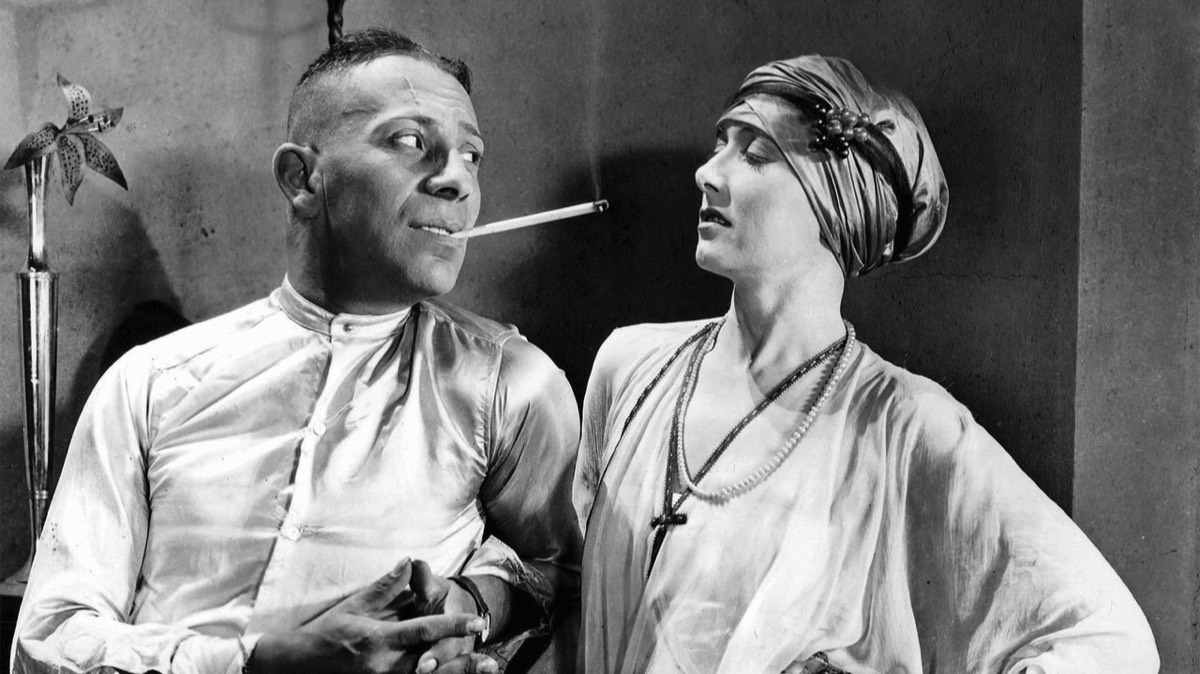
Foolish Wives (1922)
"Stroheim's combination of naturalism and melodrama, not to mention his stately camera and editing styles, made a significant contribution to the progress of film language and technique. More importantly, his interest in the less salubrious aspects of both the individual psyche and society at large ensure that his films retain lasting sophistication and modernity." - Geoff Andrew (The Film Handbook, 1989)
"Like all the great silent directors he knew how necessary it was to abandon taste for obsession. His reckless enlargement of situations was a form of improvisation, even if it entailed crazy expense and delay. Left to himself, Stroheim might never have finished a film, so chronic was the fever for detail. For all that he explored realism of character and delighted in location work, nonetheless he was capable of sudden, exquisite insights - usually into perversion, lust, malice, or pride. His films amassed detail relentlessly, but never lost sight of character or structure." - David Thomson (The New Biographical Dictionary of Film, 2002)
"In the American silent cinema, von Stroheim was to cynicism what Griffith was to idealism. Andrew Sarris has noted that Griffith found purity even in the lowliest places, whereas von Stroheim unearthed evil in the highest towers of the rich and in the most heavenly marriages." - William R. Meyer (The Film Buff's Catalog, 1978)
"Since that first showing of Foolish Wives I have seemed to walk through vast crowds of people, their white American faces turned towards me in stern reproof." - Erich von Stroheim
Selected Filmography
Loading filmography...
Erich von Stroheim / Fan Club
Jonathan Rosenbaum, Nagaharu Yodogawa, Peter von Bagh, Miguel Marías, Guillermo del Toro, David Stratton, Lotte H. Eisner, Pere Gimferrer, Gavin Lambert, Gertrud Koch, Gene Moskowitz, Richard Koszarski.
Jonathan Rosenbaum, Nagaharu Yodogawa, Peter von Bagh, Miguel Marías, Guillermo del Toro, David Stratton, Lotte H. Eisner, Pere Gimferrer, Gavin Lambert, Gertrud Koch, Gene Moskowitz, Richard Koszarski.
"Fan Club"
These film critics/filmmakers have, on multiple occasions, selected this director’s work within film ballots/lists that they have submitted.
These film critics/filmmakers have, on multiple occasions, selected this director’s work within film ballots/lists that they have submitted.