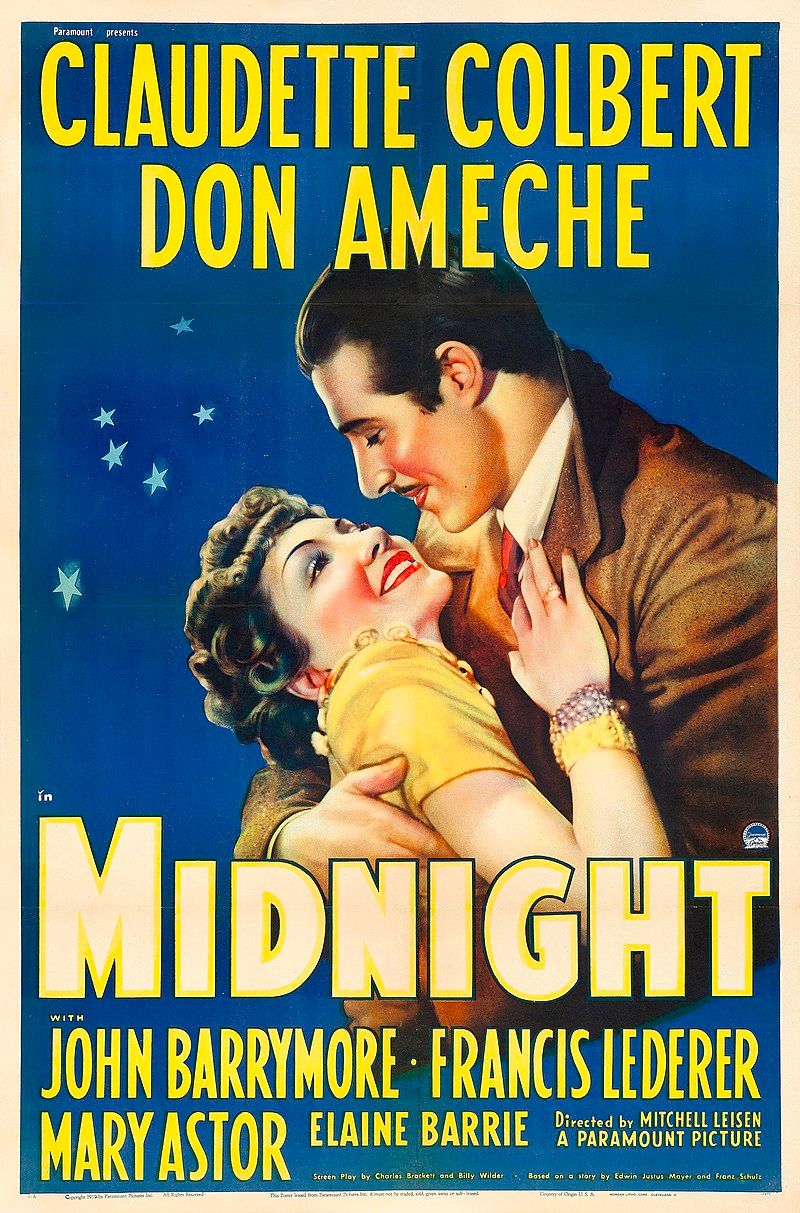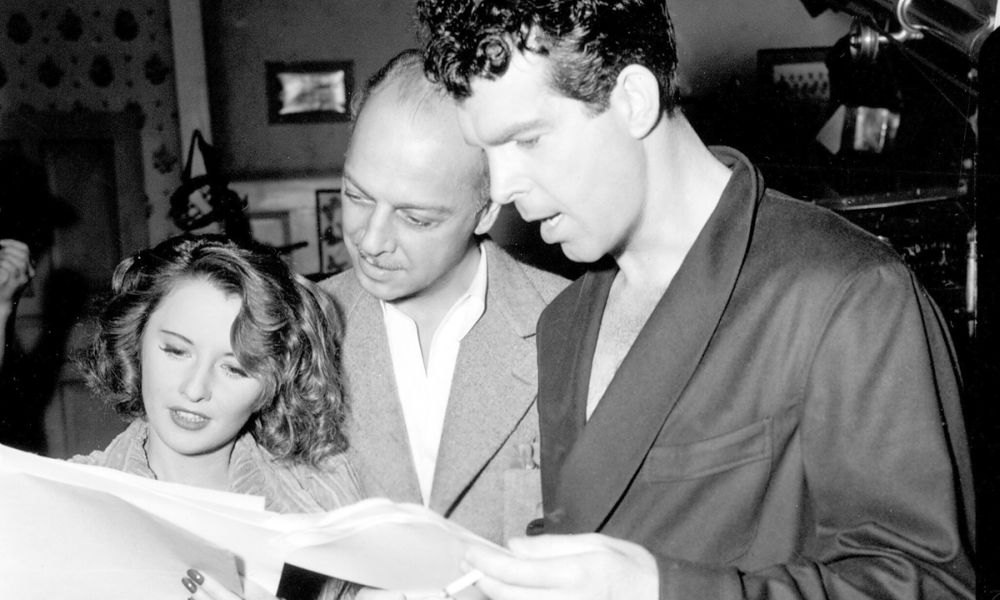
"His best work may have depended on good writers, but the gentle romanticism, the silvery visual elegance, and the relaxed performances in those films are proof of his own light touch. He was expert at combining comedy, melodrama, and a touch of social comment (many of his movies concern class and money), and, as a former costume designer and art director, alert to the importance of decor." - Geoff Andrew (The Director's Vision, 1999)
Mitchell Leisen
Director / Production Designer / Producer
(1898-1972) Born October 6, Menominee, Michigan, USA
(1898-1972) Born October 6, Menominee, Michigan, USA
Key Production Country: USA
Key Genres: Romance, Comedy, Drama, Musical, War Drama, Romantic Comedy, Romantic Drama, Romantic Adventure, Mystery, Screwball Comedy, Comedy of Errors, Melodrama
Key Collaborators: Hans Dreier (Production Designer), Victor Young (Composer), Alma Macrorie (Editor), Arthur Hornblow Jr. (Producer), Doane Harrison (Editor), Ray Milland (Leading Actor), Charles Brackett (Screenwriter), Charles Lang (Cinematographer), Roland Anderson (Production Designer), Ernst Fegté (Production Designer), Robert Usher (Production Designer), Fred MacMurray (Leading Actor)
Key Genres: Romance, Comedy, Drama, Musical, War Drama, Romantic Comedy, Romantic Drama, Romantic Adventure, Mystery, Screwball Comedy, Comedy of Errors, Melodrama
Key Collaborators: Hans Dreier (Production Designer), Victor Young (Composer), Alma Macrorie (Editor), Arthur Hornblow Jr. (Producer), Doane Harrison (Editor), Ray Milland (Leading Actor), Charles Brackett (Screenwriter), Charles Lang (Cinematographer), Roland Anderson (Production Designer), Ernst Fegté (Production Designer), Robert Usher (Production Designer), Fred MacMurray (Leading Actor)
"The films Leisen directed for Paramount and other studios have been noted for their visual luster and entertaining pace. His consistency of style was particularly impressive in view of the thematic weakness of many of the films he was assigned to direct. Leisen was known as a 'woman's director' for the many romantic films he made and for the strong performances he elicited from actresses." - The MacMillan International Film Encyclopedia, 1994
"He directed much that was beneath his intelligence, but always with style, taste, and decorative flair... Leisen seldom slipped below a self-imposed standard of visual elegance, nor rose above a stylish superficiality... That he is remembered by Cahiers du cinéma as little more than "a great couturier" and by other reference books more for the writers and performers he directed is a fate suffered by many artists of Hollywood's 1930s cinema, stronger on wit and taste than self-advertisement." - John Baxter (International Dictionary of Films and Filmmakers, 1991)
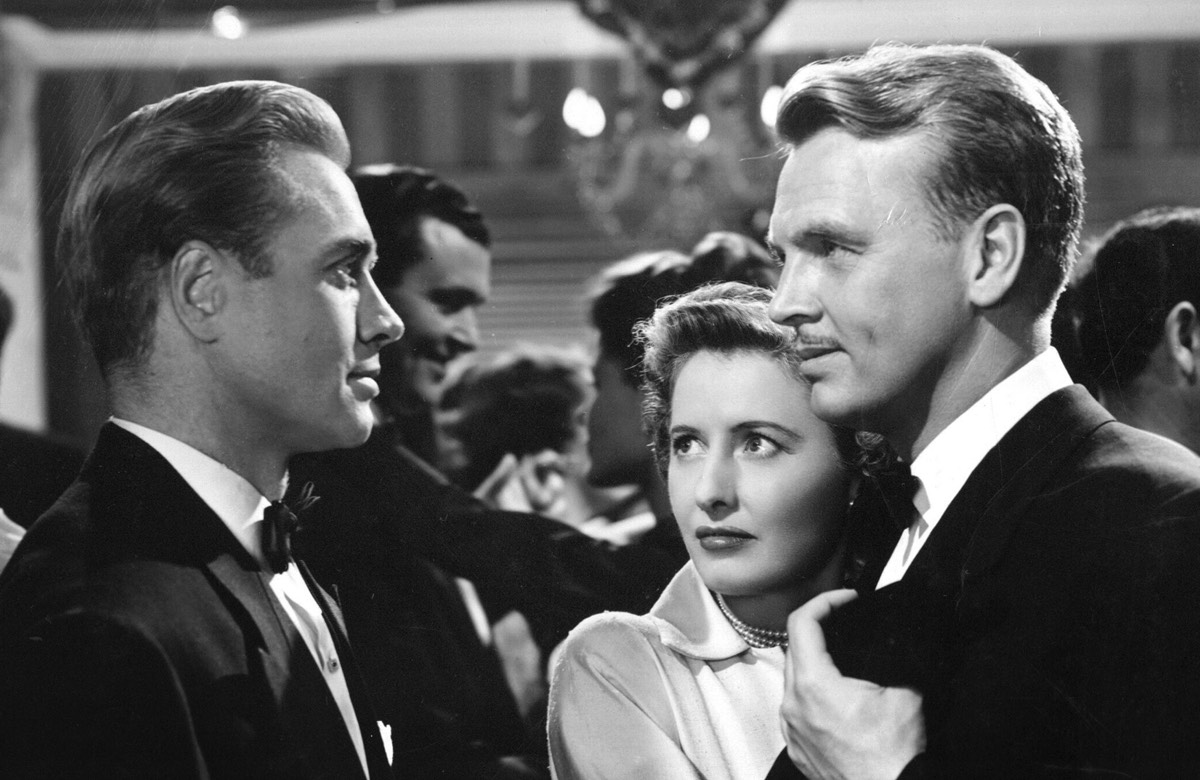
No Man of Her Own (1950)
"He paced his films leisurely, bringing out the most from dialogue, plot, and scenic detail, but never lensed one truly powerful or riotous classic." - William R. Meyer (The Film Buff's Catalog, 1978)
"Shortly before his death, he gave interviews to film scholars eager for titbits about the Golden Age of Hollywood. It was the start of a posthumous career, in which has films were revived and rediscovered by new audiences. In a Post-Modern world that revels in moral and gender ambiguity, in a mingling of style and genre, in a gleeful anarchy of masks and androgyny and camp, Mitchell Leisen seems very much a man of our time. We can still bask in the light from a Star That Exploded. Leisen’s oeuvre was decades ahead of its time. Can it be the world is starting to catch up?" - David Melville (Senses of Cinema, 2005)
"If Mitchell Leisen has received too little critical attention it is the fault of the auteur theory - deftly orchestrating the svelte flow of pre-war studio comedies, he made Paramount pictures not Leisen movies, and his lasting reputation has suffered for his efforts. Architectural training led Leisen to designing advertising art at the Chicago Tribune. He entered the film industry in 1919 as a costume designer, then art director, working with Cecil B. DeMille, Allan Dwan and Raoul Walsh at Paramount. In 1933 he made director, and the journeyman rapidly became known for methodical professionalism and a reputation for sympathetic direction of actresses second only to George Cukor's." - Richard Armstrong (The Rough Guide to Film, 2007)
"Befitting his training, background, and prior experience, Leisen concentrated on boosting the eye appeal of his films and was not a favorite of such writers as Billy Wilder and Preston Sturges, whose scripts he directed. But it's hard to conceive how anyone could improve upon such sleek and tasteful productions as Easy Living (1937, a screwball comedy written by Sturges), Midnight (1939, a sophisticated comedy/romance written by Wilder and Charles Brackett), Remember the Night (1940, a heartwarming sentimental romance by Sturges), or Hold Back the Dawn (1941, a deeply felt soap opera saga by Wilder and Brackett), without question four of Leisen's finest films." - Leonard Maltin's Movie Encyclopedia, 1995
"He was a designer of sets and costumes for directors including Cecil B. DeMille and Ernst Lubitsch before making his directorial debut with Cradle Song (1933) and proved adept at breezy comedy, lyrical romance and heartfelt melodrama." - Chambers Film Factfinder, 2006
Selected Filmography
Loading filmography...
Mitchell Leisen / Fan Club
Pedro Almodóvar, Joanna Hogg, Martin Scorsese, Julian Mateos, Pierre Salvadori, Dan Sallitt, Farran Smith Nehme, José Luis Guarner, Calum Marsh, Sam Wigley, Leslie Halliwell.
Pedro Almodóvar, Joanna Hogg, Martin Scorsese, Julian Mateos, Pierre Salvadori, Dan Sallitt, Farran Smith Nehme, José Luis Guarner, Calum Marsh, Sam Wigley, Leslie Halliwell.
"Fan Club"
These film critics/filmmakers have, on multiple occasions, selected this director’s work within film ballots/lists that they have submitted.
These film critics/filmmakers have, on multiple occasions, selected this director’s work within film ballots/lists that they have submitted.