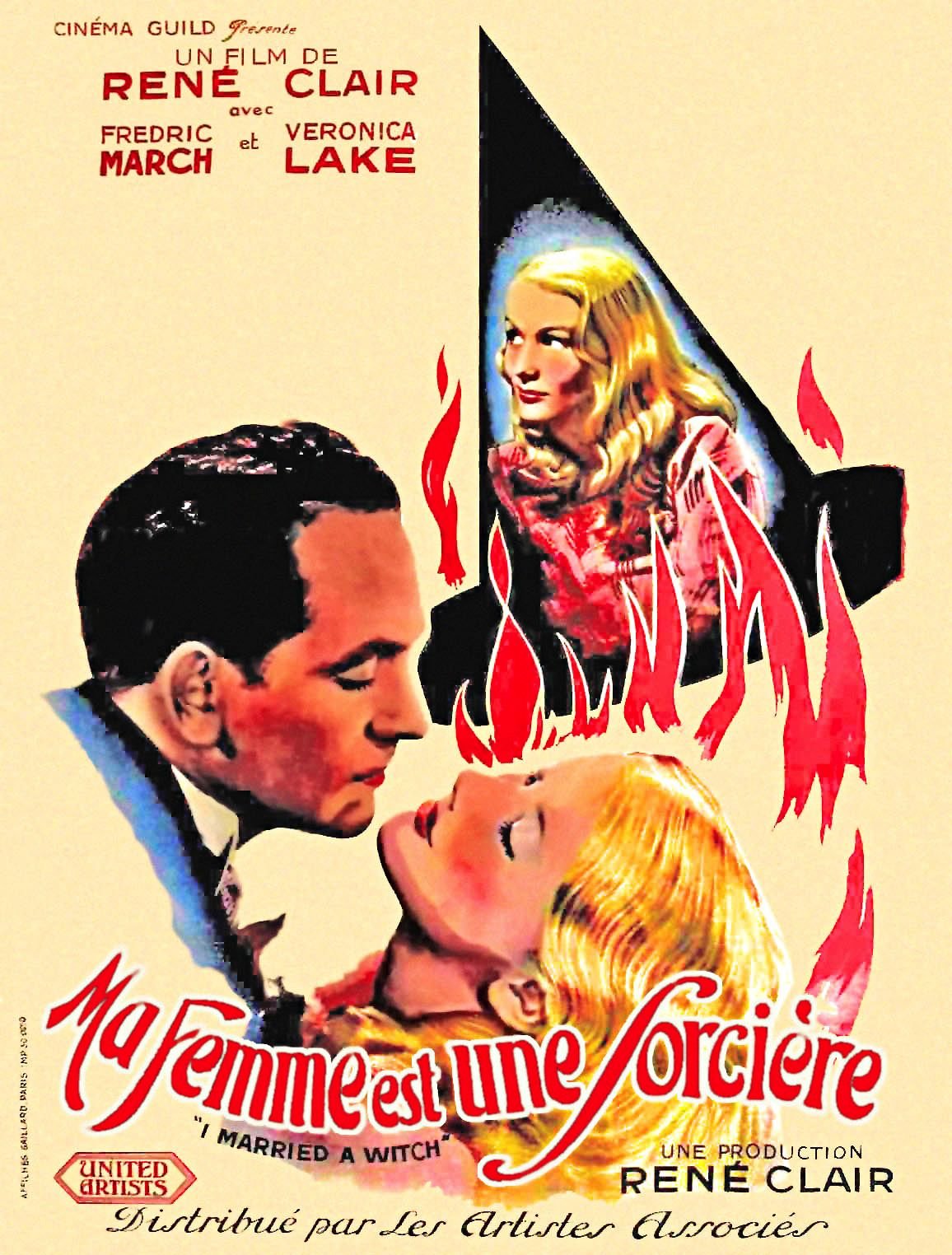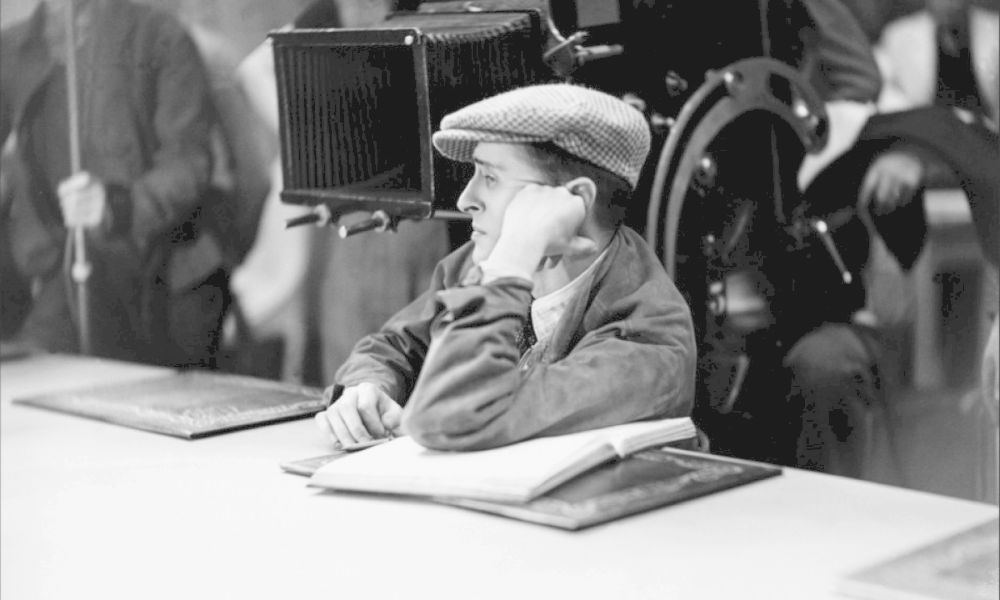
"An early exponent of french film comedy who took a stab at Hollywood filmmaking with passably good results, Clair is fondly remembered today for his stylishly witty and charming satires, whimsical fantasies, and surrealistic romps." - Leonard Maltin's Movie Encyclopedia, 1995
René Clair
Key Production Countries: France, USA
Key Genres: Comedy, Fantasy, Romantic Fantasy, Drama, Fantasy Comedy, Romance, Short Film, Period Film, Romantic Drama, Satire, Melodrama, Chase Movie
Key Collaborators: Paul Ollivier (Leading Character Actor), Raymond Cordy (Leading Character Actor), Lazare Meerson (Production Designer), Georges Périnal (Cinematographer), Albert Préjean (Leading Actor), René Le Hénaff (Editor), Louisette Hautecoeur (Editor), Georges Van Parys (Composer), Léon Barsacq (Production Designer), Gérard Philipe (Leading Actor), Frank Clifford (Producer), Nikolas Roudakoff (Cinematographer)
Key Genres: Comedy, Fantasy, Romantic Fantasy, Drama, Fantasy Comedy, Romance, Short Film, Period Film, Romantic Drama, Satire, Melodrama, Chase Movie
Key Collaborators: Paul Ollivier (Leading Character Actor), Raymond Cordy (Leading Character Actor), Lazare Meerson (Production Designer), Georges Périnal (Cinematographer), Albert Préjean (Leading Actor), René Le Hénaff (Editor), Louisette Hautecoeur (Editor), Georges Van Parys (Composer), Léon Barsacq (Production Designer), Gérard Philipe (Leading Actor), Frank Clifford (Producer), Nikolas Roudakoff (Cinematographer)
"A highly respected artist in the 1920s and 30s, René Clair's career declined in the post-war period and his reputation has diminished over time. Even his best-known comedies now look somewhat mannered and over-designed, his social criticism a little fey and complacent. Nevertheless, even if he doesn't belong to the first rank, Clair was a whimsical innovator who brought charm and wit to everything he touched... Although Clair was not fond of location-shooting, his meticulously designed sets and stock characters shaped a cheery and vivacious image of Paris. Away from home, he was less comfortable. Moving first to England and then to Hollywood, Clair 's imaginative drive faltered, and he never recovered the standing he enjoyed in the early 1930s." - Tom Charity (The Rough Guide to Film, 2007)
"Clair now looks something less than the major director he was known as in 1935. His work since that first venturing outside France has seldom lacked amusement or a sense of fantasy, but it does seem lightweight. Even his finest films - those made in the first experiment of sound - are rather precious and too vaguely opposed to "progress" when set beside L'Âge d'or, L'Atalante, Boudu, or Toni. Clair's world is brilliantly conceived and wrought, but it remains self-contained." - David Thomson (The New Biographical Dictionary of Film, 2002)
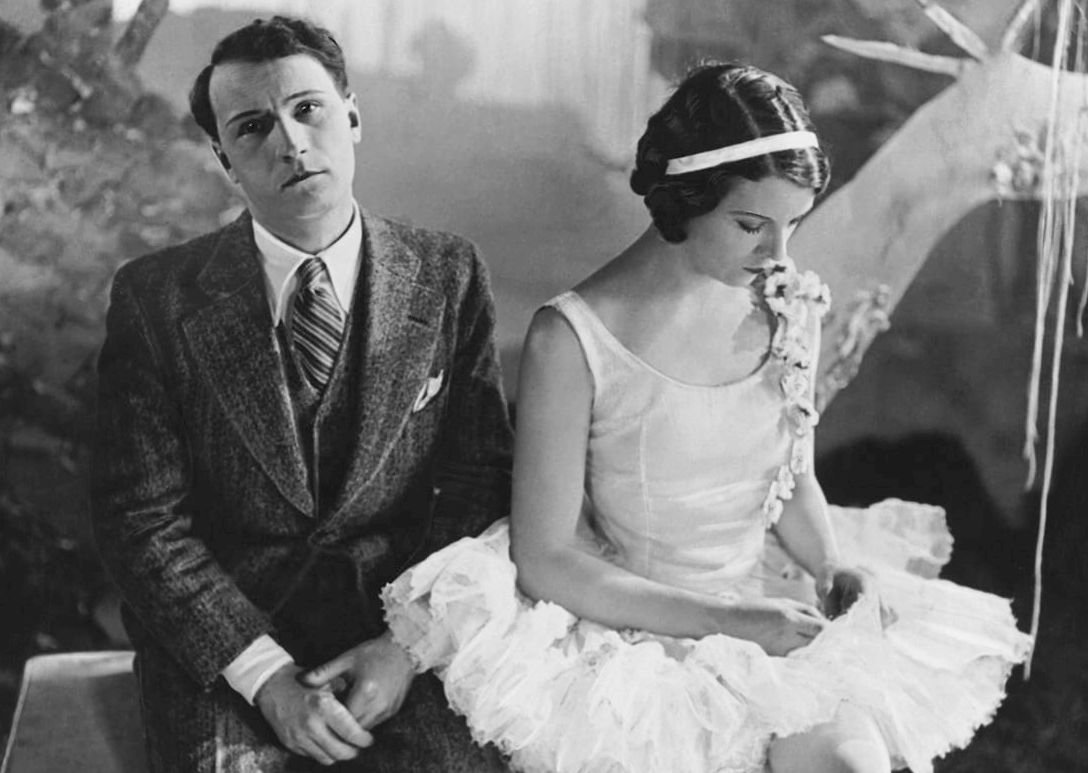
Le Million (1931)
"Although Clair made several English-language and Hollywood films, his American period is generally blamed for his decline. The trouble with Clair's American career is that he was typed for fantasy and other fluff, and could never escape his niche... À Nous la Liberté, Le Million, Sous les Toits de Paris, The Italian Straw Hat retain a certain classic value, but Clair, once too good to be called even the French Lubitsch, now seems more like the French Mamoulian." - Andrew Sarris (The American Cinema, 1968)
"During the 1930s, when the French cinema reigned intellectually preeminent, René Clair ranked with Renoir and Carné as one of its greatest directors—perhaps the most archetypally French of them all. His reputation has since fallen (as has Carné's), and comparison with Renoir may suggest why. Clair's work, though witty, stylish, charming, and technically accomplished, seems to lack a dimension when compared with the work of Renoir; there is a certain oversimplification, a fastidious turning away from the messier, more complex aspects of life… Yet, at their best, Clair's films have much of the quality of champagne—given so much sparkle and exhilaration, it would seem churlish to demand nourishment as well." - Philip Kemp (Film Reference)
"Although briefly associated with the French avant-garde (his second film, Entr'acte, remains a masterpiece of pure cinema), from the very start he considered film as a medium of entertainment. He developed into one of the most original stylists in world cinema, a complete filmmaker who always wrote or collaborated on the films he directed and constantly explored the possibilities of visual form, movement and sound." - The MacMillan International Film Encyclopedia, 1994
"An expert at light comedy, fantasy, and artful avant-garde productions." - William R. Meyer (The Film Buff's Catalog, 1978)
Selected Filmography
Loading filmography...
René Clair / Fan Club
Juzaburo Futaba, Dilys Powell, Nobuhiko Obayashi, Fernando Gonçalves Lavrador, Ernesto Diezmartínez, Leslie Halliwell, Norifumi Suzuki, Catherine A. Surowiec, Joris Ivens, Barthélemy Amengual, Iraj Saberi, Dawud Moslem.
Juzaburo Futaba, Dilys Powell, Nobuhiko Obayashi, Fernando Gonçalves Lavrador, Ernesto Diezmartínez, Leslie Halliwell, Norifumi Suzuki, Catherine A. Surowiec, Joris Ivens, Barthélemy Amengual, Iraj Saberi, Dawud Moslem.
"Fan Club"
These film critics/filmmakers have, on multiple occasions, selected this director’s work within film ballots/lists that they have submitted.
These film critics/filmmakers have, on multiple occasions, selected this director’s work within film ballots/lists that they have submitted.