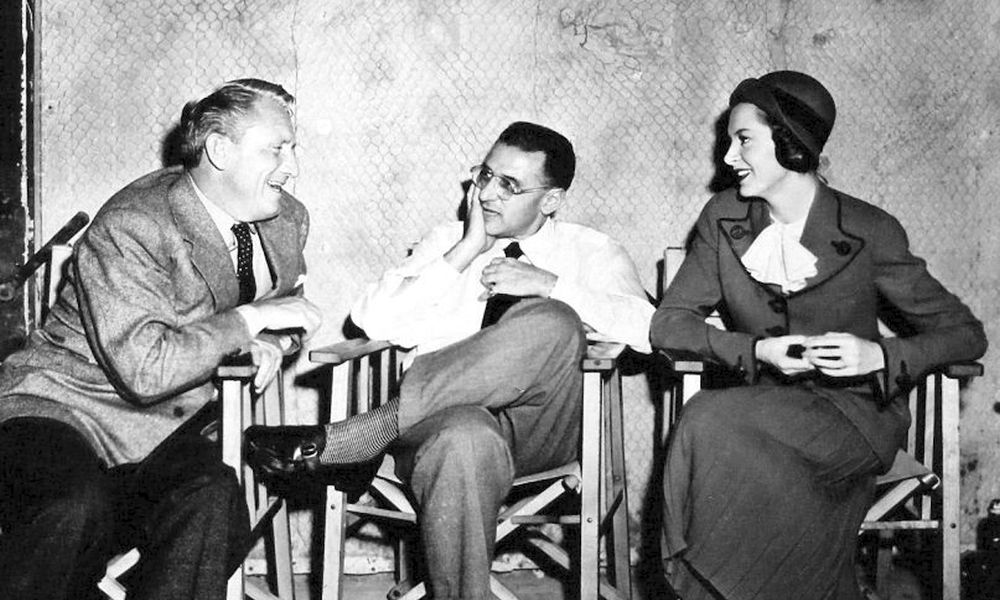
"He is often perceived more as a polished entertainer than as an artist, but Cukor stamped his work with a critical yet affectionate look at humankind. He loved to explore the gap between illusion and reality, and his characters are often forced between cherished dreams and sober reality. Yet it is as a director of actors - especially women - that he has earned a place in film history." - Ian Freer (Movie Makers, 2009)
George Cukor
Key Production Countries: USA, UK
Key Genres: Drama, Comedy, Romance, Melodrama, Romantic Comedy, Comedy Drama, Sophisticated Comedy, Period Film, Musical Comedy, Musical, Coming-of-Age, Comedy of Manners
Key Collaborators: Cedric Gibbons (Production Designer), Katharine Hepburn (Leading Actress), Bronislau Kaper (Composer), Gene Allen (Production Designer), Spencer Tracy (Leading Actor), Ruth Gordon (Screenwriter), Garson Kanin (Screenwriter), Donald Ogden Stewart (Screenwriter), Judy Holliday (Leading Actress), Joseph Ruttenberg (Cinematographer), William Daniels (Cinematographer), George Boemler (Editor)
Key Genres: Drama, Comedy, Romance, Melodrama, Romantic Comedy, Comedy Drama, Sophisticated Comedy, Period Film, Musical Comedy, Musical, Coming-of-Age, Comedy of Manners
Key Collaborators: Cedric Gibbons (Production Designer), Katharine Hepburn (Leading Actress), Bronislau Kaper (Composer), Gene Allen (Production Designer), Spencer Tracy (Leading Actor), Ruth Gordon (Screenwriter), Garson Kanin (Screenwriter), Donald Ogden Stewart (Screenwriter), Judy Holliday (Leading Actress), Joseph Ruttenberg (Cinematographer), William Daniels (Cinematographer), George Boemler (Editor)
"While Cukor’s cinema work embraces a variety of genres, he is probably best remembered for sophisticated comedies like Adam’s Rib (1949) and Born Yesterday (1950), with their trademark quirky, and very modern, heroines. Cukor worked with many of Hollywood’s finest actresses (among them, most memorably, Katharine Hepburn and Judy Holliday) and female scriptwriters. This earned him a reputation as a "women’s director." Cukor’s independent, acerbic, intelligent heroines are never less than interesting, and his films characteristically proffer a kind of feminine angle on the world. Yet they rarely identify fully with the woman’s point of view, nor as a rule do they address themselves exclusively to a female audience. In this regard, Cukor has been likened to the American novelist Henry James." - Annette Kuhn (Schirmer Encyclopedia of Film, 2007)
"Stylistically, his films are defined by their unshowy sophistication, with the discreetly fluid camera focused firmly on the dazzling performances; he was particularly adept with and sympathetic to actresses, and made numerous films with women centre-stage. Fittingly, the secret of Cukor's eminently civilised artistry lies in its deceptive ease." - Geoff Andrew (The Director's Vision, 1999)
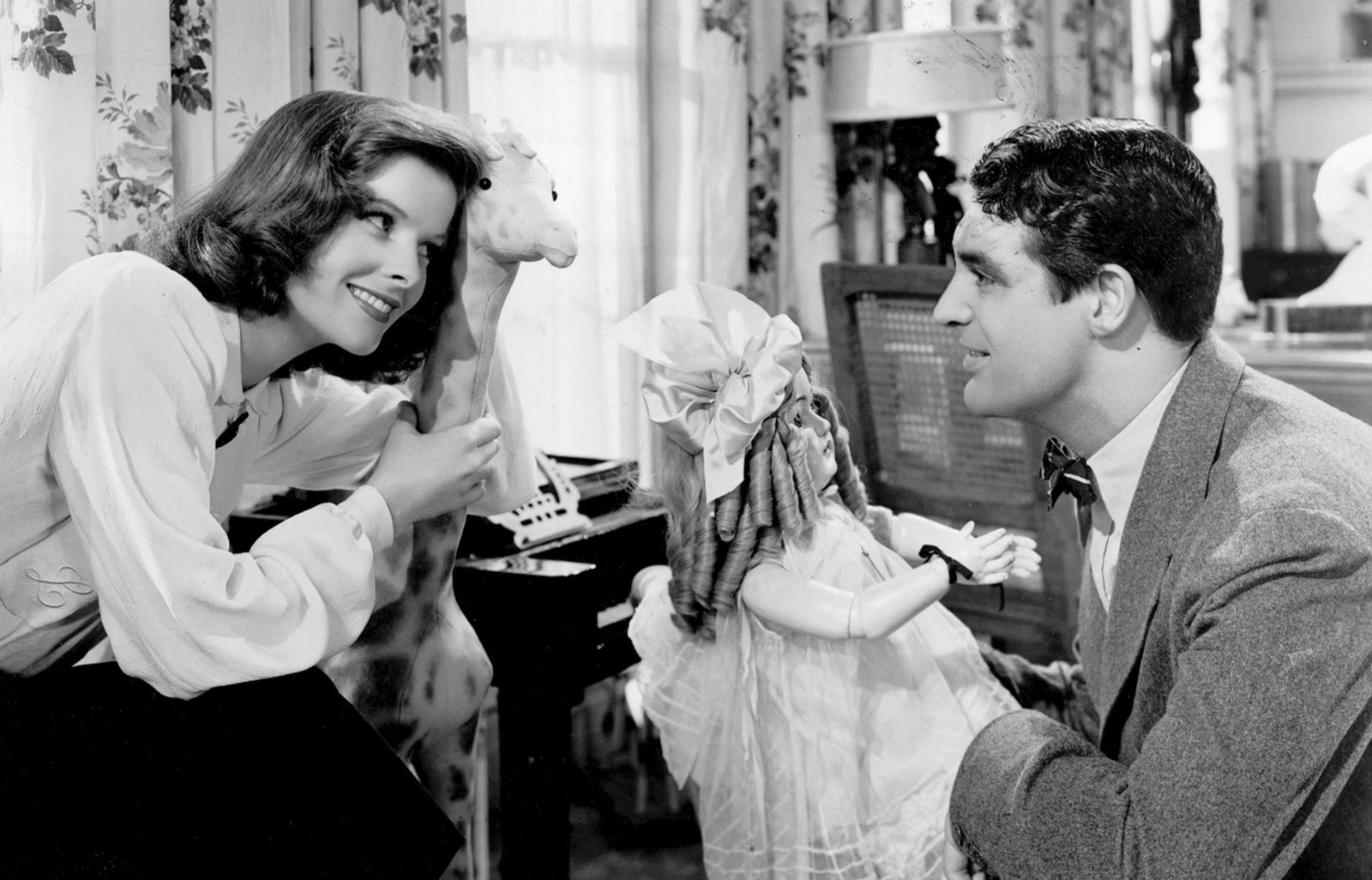
Holiday (1938)
"Although most of Cukor's films are adaptations of preexisting novels and plays, he has always chosen material that has been consistent with his view of reality. Most often he has explored the conflict between illusion and reality in peoples' lives. The chief characters in his films are frequently actors and actresses, for they, more than anyone, run the risk of allowing the world of illusion with which they are constantly involved to become their reality." - Gene D. Phillips (The St. James Film Directors Encyclopedia, 1998)
"Throughout his fifty-one-year-long career as a director, from 1930 to 1981, Cukor developed and reworked a clearly defined, complex, and deeply personal set of themes in a wide range of genres. Though he never had a screenwriting credit, he exerted a thoroughgoing and substantial creative power over his movie’s scripts, and very early on he developed a conspicuous, distinctive, and aesthetically sophisticated style, which doesn’t merely convey his ideas but arises from them, too." - Richard Brody, (The New Yorker, 2013)
"George Cukor's filmography is his most eloquent defense. When a director has provided tasteful entertainment of a high order consistently over a period of more than thirty years, it is clear that said director is much more than a mere entertainer. Mere entertainers seldom entertain for more than five years, and then only intermittently... He is a genuine artist." - Andrew Sarris (The American Cinema, 1968)
"Another clue to Cukor’s style is his treatment of the past. He approaches it as if it were the present. It is still there. New England during the Civil War in Little Women, Dickens’ England in David Copperfield, the pioneer West in Heller in Pink Tights–none of these is self-consciously reconstructed, but comes as directly and vividly alive as Judy Holliday and Aldo Ray walking in Central Park, or Judy Garland as the unknown Esther Blodgett arriving at the studio in A Star is Born. It’s a very special gift, making dramatic contact with whatever reality confronts him, and bringing it off through a combination of his own sensibility and imaginative research." - Gavin Lambert (PBS American Masters, 2002)
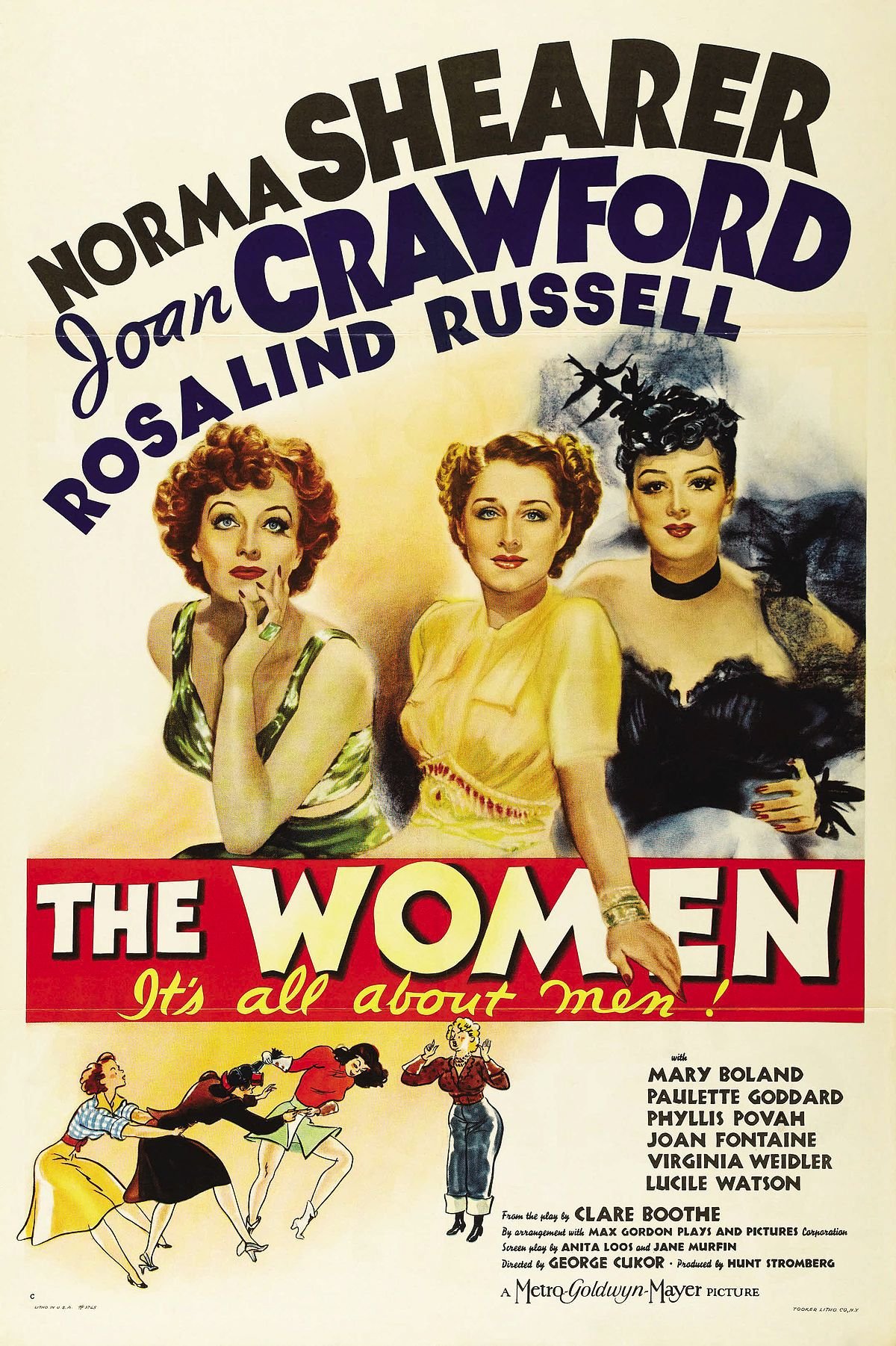
"One of Hollywood's best directors of women and women's films (Little Women, 33; The Women, 39). His comedies (Adam's Rib, 49; Born Yesterday, 50) are generally rich in the real humor of life." - William R. Meyer (The Film Buff's Catalog, 1978)
"This was a man in love with theatre and theatrical effects who made feverish, dangerous films. This was a man delighted with impersonations, lying, bitchery and putting a brave face on sorrow. This was an artist who understood the deepest kind of pain. His films are peopled by actors and showgirls and impossible dreamers with outsized egos who put on an act on-stage and off. He favoured long scenes and, later on, very long takes. Most of his movies begin awkwardly and end in an anti-climax, like a party that takes a while to get swinging and then winds down gently." - Dan Callahan (Senses of Cinema, 2004)
"Alas, I am not an auteur, but damn few directors can write. They're very clever and they can go through the paces. As a director, you've got to think of your own limitations. There are certain things you're sympathetic with, and there are certain things you say to yourself. "Well, I can do it because I'm perfectly competent, but there's so many people who can do it much better than I can." I've been sent a script I think is charming and I said, "I think you ought to get an Italian director; it's madness to ask me to do it." - George Cukor (Directing the Film, 1976)
"Cukor is one of my favourite directors. He was a master at directing women." - Pedro Almodóvar
Selected Filmography
Loading filmography...
George Cukor / Fan Club
José Luis Guarner, Marcel Ophüls, Martin Scorsese, Tim Robey, Jonathan Rosenbaum, Andrew Sarris, Mike D'Angelo, Richard Brody, Farran Smith Nehme, Laura Kern, Jim Emerson, Charles Champlin.
José Luis Guarner, Marcel Ophüls, Martin Scorsese, Tim Robey, Jonathan Rosenbaum, Andrew Sarris, Mike D'Angelo, Richard Brody, Farran Smith Nehme, Laura Kern, Jim Emerson, Charles Champlin.
"Fan Club"
These film critics/filmmakers have, on multiple occasions, selected this director’s work within film ballots/lists that they have submitted.
These film critics/filmmakers have, on multiple occasions, selected this director’s work within film ballots/lists that they have submitted.