"One of the most talented romantic and tragic figures in French cinema... Though they had little impact on contemporary audiences, his films were enormously influential on other film-makers, both in terms of his aesthetics and of Vigo's model of an auteur struggling against adversity; they now indelibly colour our vision of 1930s French cinema." - Ginette Vincendeau (Encyclopedia of European Cinema, 1995)
Jean Vigo
Key Production Country: France
Key Genres: Short Film, Drama, Documentary, Romantic Drama, Marriage Drama, Coming-of-Age
Key Collaborators: Boris Kaufman (Cinematographer), Louis Lefevre (Leading Actor), Jean Daste (Leading Actor), Maurice Jaubert (Composer), Raphael Diligent (Character Actor)
Key Genres: Short Film, Drama, Documentary, Romantic Drama, Marriage Drama, Coming-of-Age
Key Collaborators: Boris Kaufman (Cinematographer), Louis Lefevre (Leading Actor), Jean Daste (Leading Actor), Maurice Jaubert (Composer), Raphael Diligent (Character Actor)
"An anarchist's son, Vigo was one of cinema's finest poets, able to transcend mundane reality with his unique blend of lyricism, wit, sensuality and surrealism. His distaste for authority, injustice and inequality was balanced by a love of individuality, innocence and independence... Vigo's imagery could be fantastic, experimental, grotesquely funny, or dreamily erotic. It was, however, always imaginative and rapturous, imbued with a passion for film. Tragically, he died at 29, having made only one full-length feature; nevertheless, he remains one of cinema's greatest, most influential masters." - Geoff Andrew (The Director's Vision, 1999)
"French film-maker who, after a traumatic childhood, made three feature films which, though unsuccessful in their day, have had a profound effect on directors all over the world... There is little doubt that Vigo would have gone on to become one of the dominant figures of the French cinema had he lived. His wife died, also of tuberculosis, five years later." - David Quinlan (Quinlan's Film Directors, 1999)
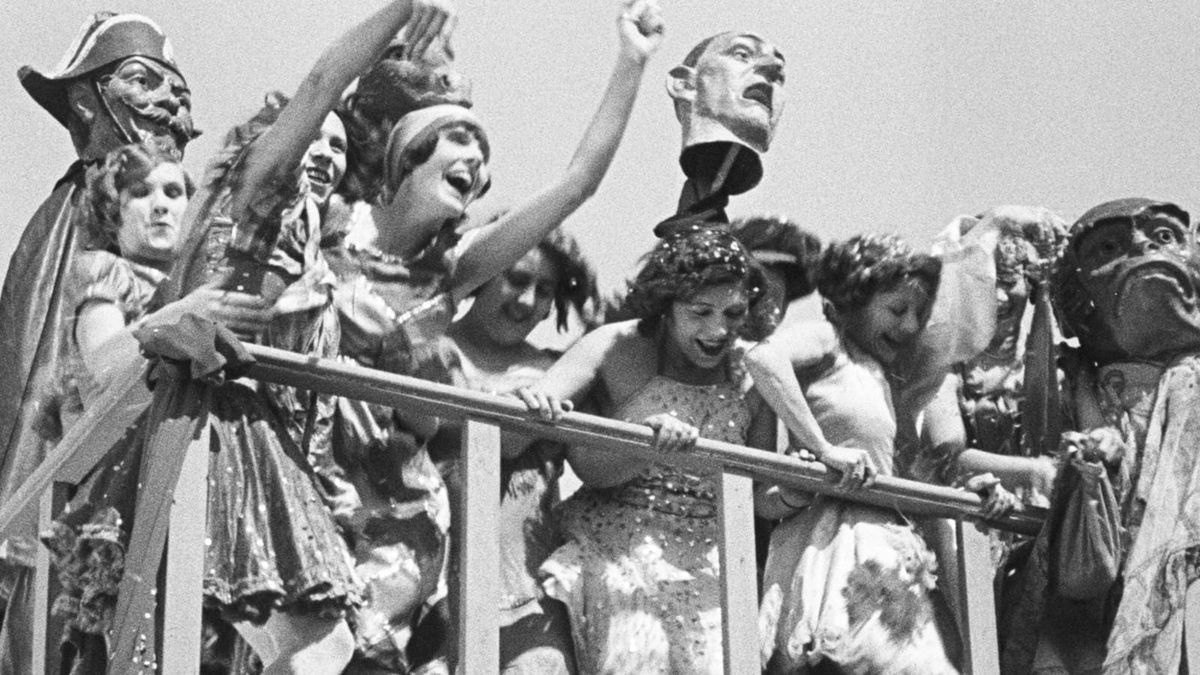
À propos de Nice (1930)
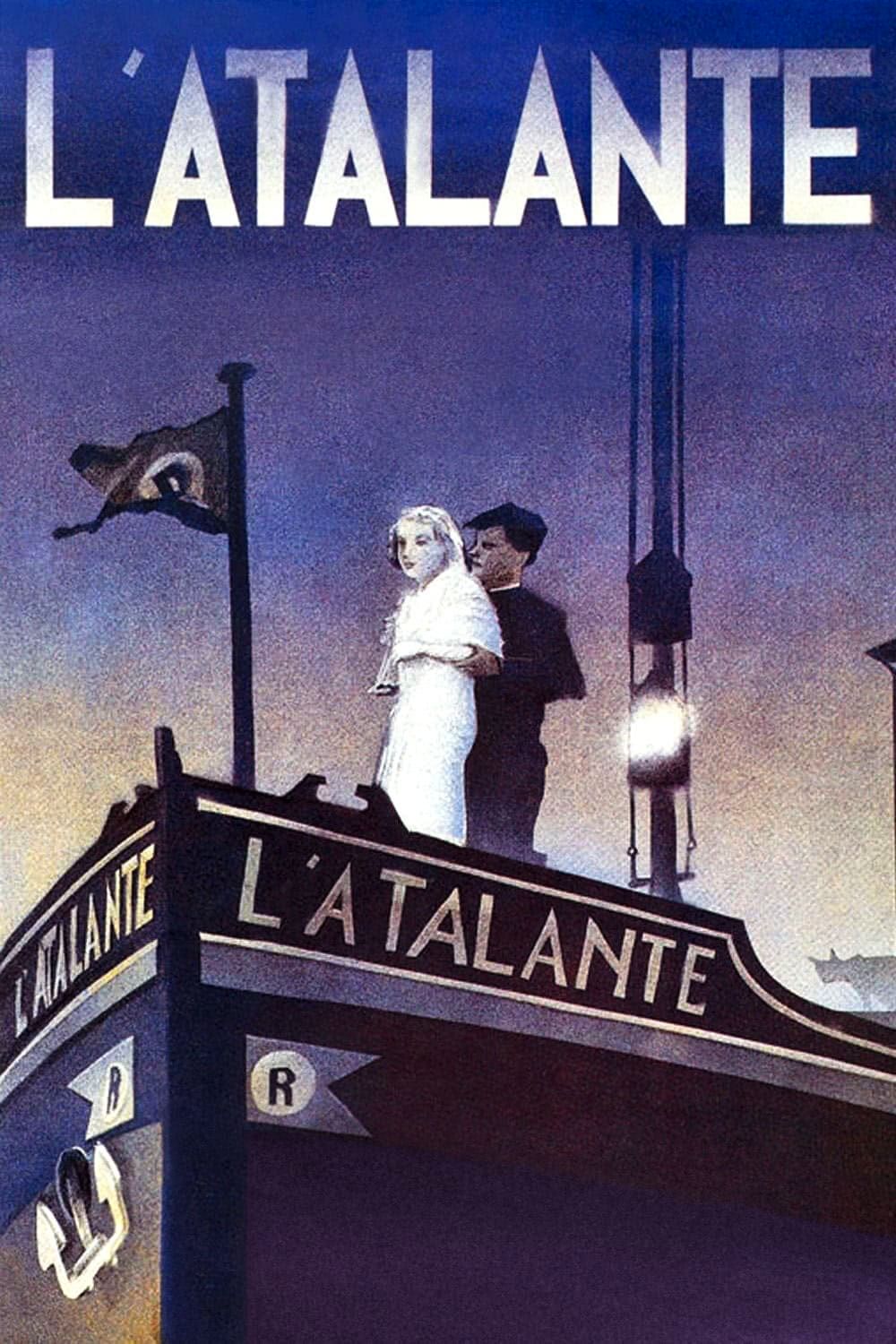
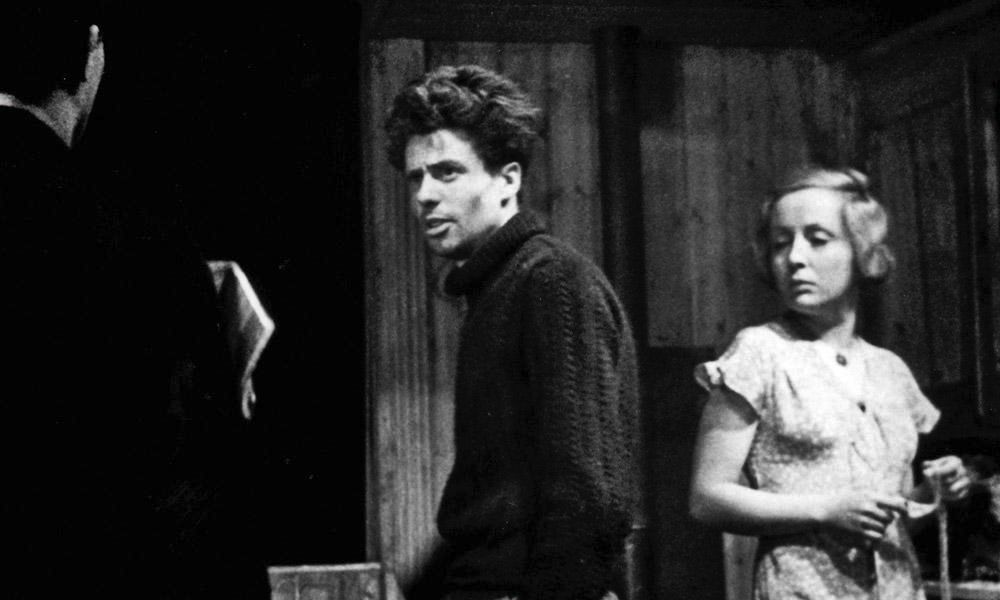
"L'Atalante is a masterpiece of mood and characterization, and, along with Zéro de conduite, it guarantees Vigo's status as a great director. But he was not granted that status by the critical community until years after his death. Because of the vagaries of film exhibition and censorship, Vigo was little known while he was making films. He received nowhere near the acclaim given to his contemporaries Jean Renoir and René Clair." - Eric Smoodin (International Dictionary of Films and Filmmakers, 1991)
"Few other directors with such a short filmography have had such a profound influence on other film-makers as Jean Vigo. The son of an anarchist who died in prison in 1917, Jean Vigo inherited his father's anti-authoritarian ideas." - Ronald Bergan (Film - Eyewitness Companions, 2006)
"Vigo produced only one forty-five minute and one full-length feature, a documentary and a short, before succumbing to septicaemia at the age of twenty-nine. But his films have genius in them, and illustrate a sensibility so refined and so profoundly original in the context of the environment in which he was living (or in any context for that matter) that the French Government now belatedly awards an annual prize in Vigo's name for films that manifest a similar independence of spirit." - Mario Reading (The Movie Companion, 2006)
"Truly a poet of the cinema, Vigo's early death ended what probably would have been a brilliant career. He made only four films, but they stand as a valuable body of work which reflects a profound, if cynical, humanism and a complex sense of fantasy." - William R. Meyer (The Film Buff's Catalog, 1978)
Selected Filmography
Loading filmography...
Jean Vigo / Fan Club
Geoff Andrew, Pedro Butcher, Michel Ciment, Mariano Llinás, Gilles Jacob, David Thompson, Aki Kaurismäki, Michał Oleszczyk, Chung Sung-ill, Hong Sang-soo, Michel Gondry, B. Kite.
Geoff Andrew, Pedro Butcher, Michel Ciment, Mariano Llinás, Gilles Jacob, David Thompson, Aki Kaurismäki, Michał Oleszczyk, Chung Sung-ill, Hong Sang-soo, Michel Gondry, B. Kite.
"Fan Club"
These film critics/filmmakers have, on multiple occasions, selected this director’s work within film ballots/lists that they have submitted.
These film critics/filmmakers have, on multiple occasions, selected this director’s work within film ballots/lists that they have submitted.