"Himself influenced (and reviled) by the Surrealists, Cocteau's independent, personal style of film-making was highly attractive to Nouvelle Vague directors; equally, very few experimental film-makers have not felt his influence." - Geoff Andrew (Film Handbook, 1989)
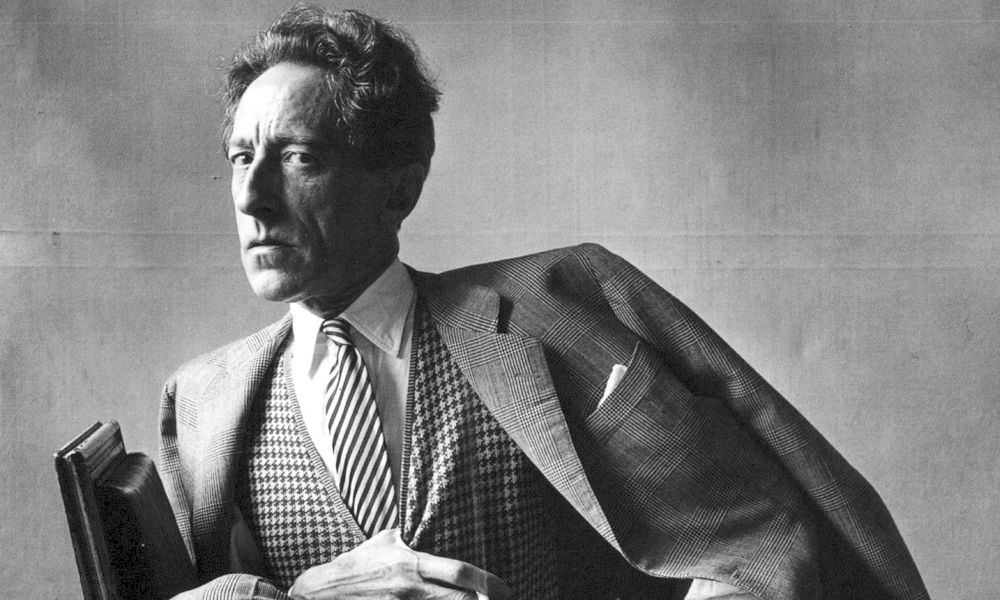
Jean Cocteau
Key Production Country: France
Key Genres: Fantasy, Surrealist Film, Romantic Fantasy, Avant-garde/Experimental, Drama, Fairy Tale
Key Collaborators: Georges Auric (Composer), Jean Marais (Leading Actor), Edouard Dermithe (Leading Actor), Josette Day (Leading Actress), Andre Paulve (Producer), Maria Casares (Leading Character Actress), Marcel Andre (Leading Character Actor), Henri Cremieux (Leading Character Actor), Francois Perier (Leading Character Actor), Jean d'Eaubonne (Production Designer), Christian Berard (Production Designer)
Key Genres: Fantasy, Surrealist Film, Romantic Fantasy, Avant-garde/Experimental, Drama, Fairy Tale
Key Collaborators: Georges Auric (Composer), Jean Marais (Leading Actor), Edouard Dermithe (Leading Actor), Josette Day (Leading Actress), Andre Paulve (Producer), Maria Casares (Leading Character Actress), Marcel Andre (Leading Character Actor), Henri Cremieux (Leading Character Actor), Francois Perier (Leading Character Actor), Jean d'Eaubonne (Production Designer), Christian Berard (Production Designer)
"A French poet who became a film-maker in his forties, Cocteau proceeded to create films on fantastic themes, with great pictorial beauty, full of haunting, memorable images and distinctly other-worldly, almost ethereal performances from his own little company of actors that included his great friend Jean Marais. Cocteau once said that a film 'permits one to give the appearance of reality to the non-real' and that is exactly what his most famous films do." - David Quinlan (Quinlan's Film Directors, 1999)
"His egotism made him a solitary, maverick figure. But in stressing playfulness, amateurism, and the disposition to the dream experience of movies, Cocteau is a vital link between the avant-garde and the underground. The curious weightlessness in his work, although it might be thought to conform to his own ideals of lightness, bars him from greatness. Arguably, there are films based on his works by other men that are more searching than his own pictures. But Cocteau serves as a comet, passing over French cinema, throwing a vivid light on the landscape." - David Thomson (The New Biographical Dictionary of Film, 2002)
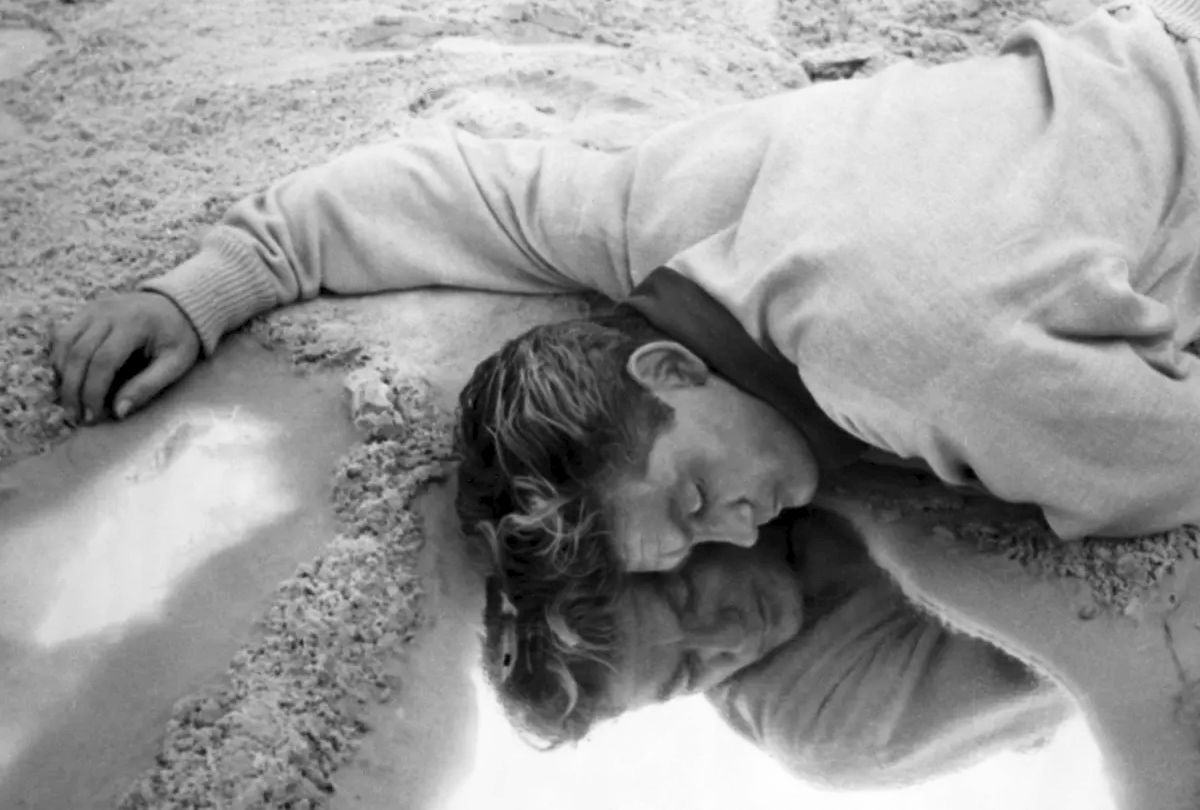
Orpheus (1950)
"Jean Cocteau's contribution to cinema is as eclectic as one would expect from a man who fulfilled on occasion the roles of poet and novelist, dramatist and graphic artist, and dabbled in such diverse media as ballet and sculpture. In addition to his directorial efforts, Cocteau also wrote scripts and dialogue, made acting appearances, and realized amateur films. His work in other media has inspired adaptations by a number of filmmakers ranging from Rossellini to Franju and Demy, and he himself published several collections of eclectic and stimulating thoughts on the film medium." - Roy Armes (The St. James Film Directors Encyclopedia, 1998)
"Cocteau is someone who has made such a profound impression on me that there's no doubt he's influenced every one of my films." - Jacques Rivette
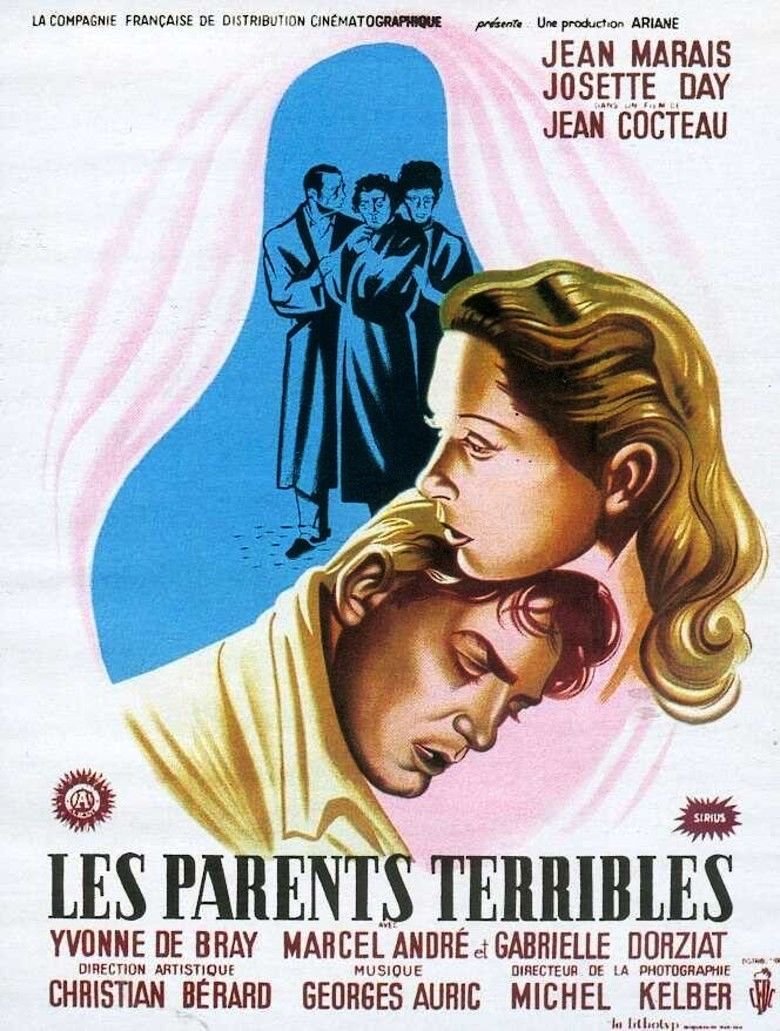
"A maker of avant-garde and fantasy films, Cocteau also lensed the fine realist drama Les Parents Terribles (48), plus other notables (Blood of the Poet, 30; Orphee, 49)." - William R. Meyer (The Film Buff's Catalog, 1978)
"The reward of art is not fame or success but intoxication: that is why so many bad artists are unable to give it up." - Jean Cocteau
Selected Filmography
Loading filmography...
Jean Cocteau / Fan Club
Stan Brakhage, Gilbert Adair, Paul Schrader, Tim Lucas, Philippe Mora, Anne Billson, Camille Paglia, Maria Delgado, Jonas Mekas, John Francis Lane, Paul Clark, Juan Jose Plans.
Stan Brakhage, Gilbert Adair, Paul Schrader, Tim Lucas, Philippe Mora, Anne Billson, Camille Paglia, Maria Delgado, Jonas Mekas, John Francis Lane, Paul Clark, Juan Jose Plans.
"Fan Club"
These film critics/filmmakers have, on multiple occasions, selected this director’s work within film ballots/lists that they have submitted.
These film critics/filmmakers have, on multiple occasions, selected this director’s work within film ballots/lists that they have submitted.