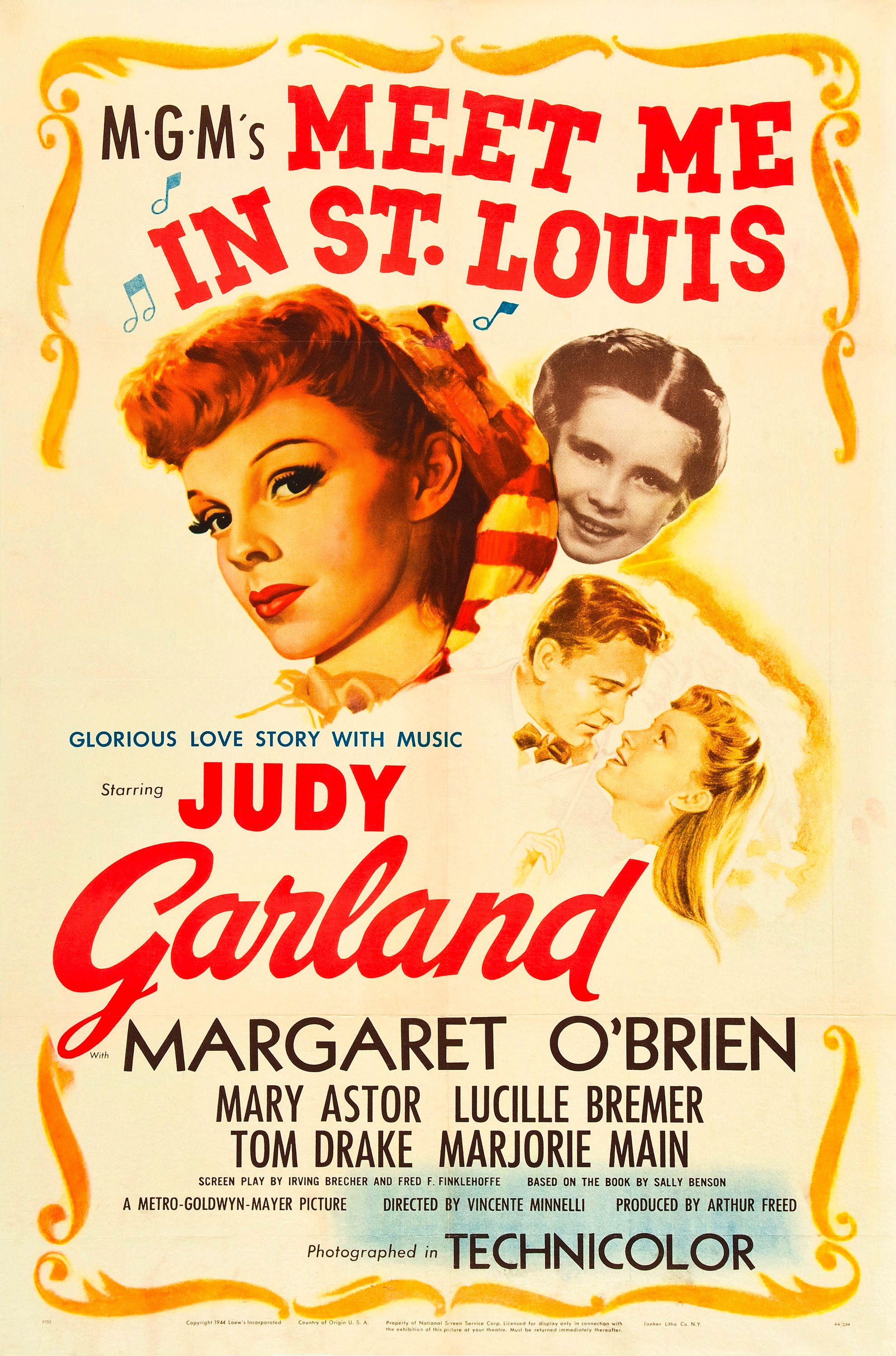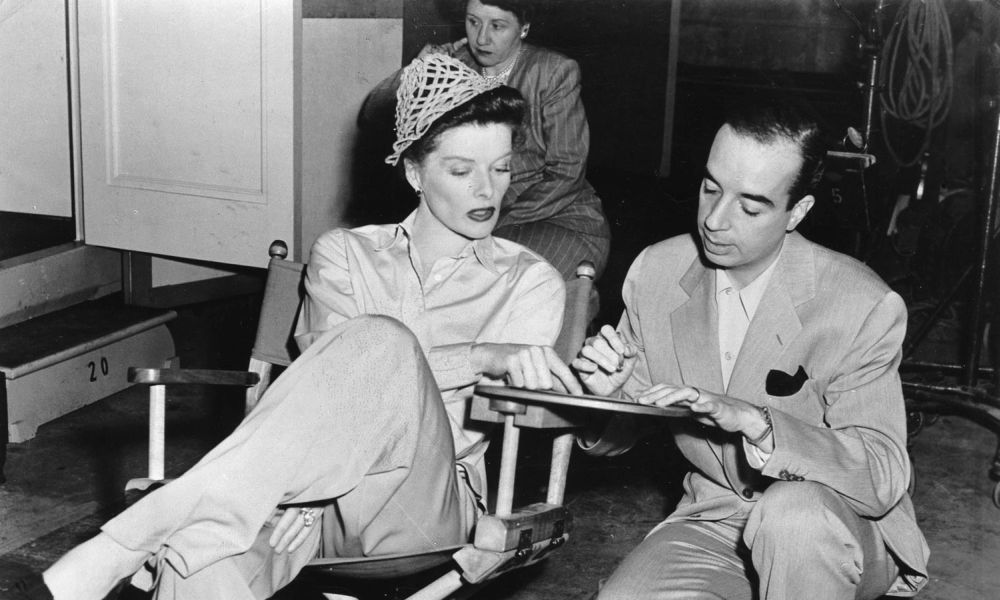
"Vincente Minnelli has influenced directors from Pedro Almodóvar to Martin Scorsese. Above all, he was a stylist. From his debut - the musical Cabin in the Sky (1943) - onwards, the consummate craftsman effortlessly flitted from genre to genre as a contract director." - Lloyd Hughes (The Rough Guide to Film, 2007)
Vincente Minnelli
Key Production Country: USA
Key Genres: Musical, Drama, Musical Romance, Comedy, Romance, Musical Fantasy, Musical Comedy, Romantic Comedy, Psychological Drama, Domestic Comedy, Family Drama, Melodrama
Key Collaborators: Cedric Gibbons (Production Designer), Arthur Freed (Producer), Adrienne Fazan (Editor), Preston Ames (Production Designer), Milton Krasner (Cinematographer), Pandro S. Berman (Producer), Ferris Webster (Editor), George W. Davis (Production Designer), Jack Martin Smith (Production Designer), Urie McCleary (Production Designer), Judy Garland (Leading Actress), Gene Kelly (Leading Actor)
Key Genres: Musical, Drama, Musical Romance, Comedy, Romance, Musical Fantasy, Musical Comedy, Romantic Comedy, Psychological Drama, Domestic Comedy, Family Drama, Melodrama
Key Collaborators: Cedric Gibbons (Production Designer), Arthur Freed (Producer), Adrienne Fazan (Editor), Preston Ames (Production Designer), Milton Krasner (Cinematographer), Pandro S. Berman (Producer), Ferris Webster (Editor), George W. Davis (Production Designer), Jack Martin Smith (Production Designer), Urie McCleary (Production Designer), Judy Garland (Leading Actress), Gene Kelly (Leading Actor)
"Minnelli’s films, especially his melodramas, have been the focus of attention for film theorists for a variety of reasons. For some, the rhetoric of Minnelli’s musicals exemplifies the stylistic and narrative strategies of the genre; while for others the filmic devices of both Minnelli’s musicals and his melodramas demonstrate repressed ideological conflicts and tensions that erupt at moments of high drama through music and mise-en-scène. From this perspective, the films may be read through recourse to the psychoanalytic concept of conversion hysteria, which accounts for the excessive and stylized quality of Minnelli’s work. For still others, Minnelli stands as a good example of the distinction between the auteur, whose work possesses and is governed by a consistency of artistic vision, and the stylist or metteur en scène, the category that Andrew Sarris claims Minnelli typifies." - John Mercer (Schirmer Encyclopedia of Film, 2007)
"Minnelli's career presents great problems as soon as one looks beyond that initial fondness. Do the fragments come together? Do those melodious camera movements, the most inventive conception of background action, and such ceaseless use of color, costume, and sets make him a major director? Or is he a stylist, unconcerned with subject matter, for years content to film whatever material MGM assigned him. Certainly, the loyalty to one studio seems to have been borne without the agonies that beset, say, Nicholas Ray." - David Thomson (The New Biographical Dictionary of Film, 2002)
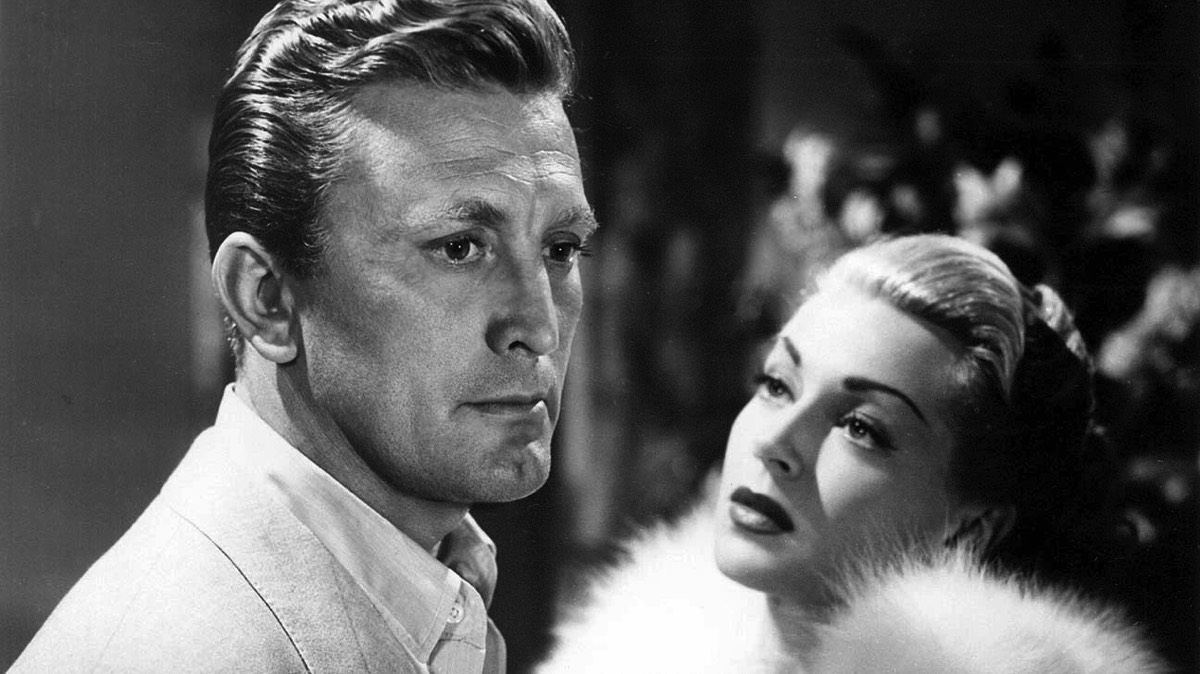
The Bad and the Beautiful (1952)
"We must certainly categorize Minnelli as something more than a decorative artist, for the stylistic devices of his films are informed with a remarkably resilient intelligence. Even if we are finally to conclude that, throughout his work, there is a dominance of style over theme, it ultimately serves only to confirm his contribution to the refinement of those techniques by which Hollywood translates meanings into style and presents both as entertainment." - Ed Lowry (International Dictionary of Films and Filmmakers, 1991)
"Vincente Minnelli was a unique filmmaker who combined special affinities for composition, color, and visual detail with an innate sensitivity and sophistication to create some of Hollywood's most memorable and dazzling films. From his film directorial debut in 1943 with Cabin in the Sky (1943) -- an all-black musical featuring Ethel Waters, Lena Home, Eddie (Rochester) Anderson, and Louis Armstrong -- to such musical classics as Meet Me in St. Louis (1944), An American in Paris (1951), The Band Wagon (1953), and Gigi (1958), the dramas Lust for Life (1956) and The Bad and the Beautiful (1953), and the comedies The Long, Long Trailer (1954) and Father of the Bride (1950), Minnelli put his special stamp on a treasured and unequaled movie legacy." - The Museum of Modern Art, 1989
"If he has a fatal flaw as an artist, it his his naïve belief that style can invariably transcend substance and that our way of looking at the world is more important than the world itself. Critic-film-makers like Godard and Truffaut pay lip service to these doctrines, but they don't really believe them. Only Minnelli believes implicitly in the power of his camera to transform trash into art, and corn into caviar. Minnelli believes more in beauty than art." - Andrew Sarris (The American Cinema, 1968)
"Minnelli was one of the most successful filmmakers of the Hollywood studio system and eventually won an Academy Award for his direction of Gigi. He is most strongly identified for his work in the musical, but he is also responsible for some of the most interesting (and often scabrous) domestic comedies of the post-war period and, especially important within certain auteurist discourses, for his melodramas. It is a body of work which easily lends itself to genre analysis and to the type of critical reading which stresses the various cultural and economic factors which affected the production and meaning of these films." - Joe McElhaney (Senses of Cinema, 2004)
"Former set and costume designer of Earl Carroll's Vanities and the Ziegfeld Follies, whose films at their best have an excellent, sometimes exhilarating, sense of visual design and colour, but at their worst are far less baroque than mid-Thirties Hollywood rococo." - Georges Sadoul (Dictionary of Film Makers, 1972)
"A brilliant director of musicals who brought a unity of song and drama to the screen in the 1940s, Minnelli is also adept at garish, frequently penetrating dramas. He has one of the best moving cameras in Hollywood." - William R. Meyer (The Film Buff's Catalog, 1978)
"Having started as a designer I have a lot to do with settings and costumes, because I think they relate to the story and character, explain it." - Vincente Minnelli
Selected Filmography
Loading filmography...
GF Greatest Films ranking (★ Top 1000 ● Top 2500)
T TSPDT N 1,000 Noir Films
R Jonathan Rosenbaum S Martin Scorsese
T TSPDT N 1,000 Noir Films
R Jonathan Rosenbaum S Martin Scorsese
Vincente Minnelli / Fan Club
Martin Scorsese, José Luis Guarner, Fernando Méndez-Leite, Farran Smith Nehme, Richard Linklater, Carlos Valladares, Richard Brody, Jean-Marc Bouineau, David Parkinson, Richard Dyer, Amos Gitai, Patrick Fahy.
Martin Scorsese, José Luis Guarner, Fernando Méndez-Leite, Farran Smith Nehme, Richard Linklater, Carlos Valladares, Richard Brody, Jean-Marc Bouineau, David Parkinson, Richard Dyer, Amos Gitai, Patrick Fahy.
"Fan Club"
These film critics/filmmakers have, on multiple occasions, selected this director’s work within film ballots/lists that they have submitted.
These film critics/filmmakers have, on multiple occasions, selected this director’s work within film ballots/lists that they have submitted.