"Associated with the rise of graphic screen violence in 1960s' Hollywood, Sam Peckinpah's lyrical films portray disenchantment. His Westerns, in particular, are explorations into moral ambiguities." - Ronald Bergan (Eyewitness Companions: Film, 2006)
Sam Peckinpah
Key Production Country: USA
Key Genres: Western, Revisionist Western, Action, Drama, Action Thriller, Thriller, Outlaw (Gunfighter) Film, Psychological Thriller
Key Collaborators: Lucien Ballard (Cinematographer), Jerry Fielding (Composer), Ted Haworth (Production Designer), L.Q. Jones (Character Actor), John Coquillon (Cinematographer), Ben Johnson (Leading Character Actor), Warren Oates (Leading Character Actor), R.G. Armstrong (Character Actor), Slim Pickens (Character Actor), James Coburn (Leading Actor), Kris Kristofferson (Leading Actor), David Warner (Leading Actor)
Key Genres: Western, Revisionist Western, Action, Drama, Action Thriller, Thriller, Outlaw (Gunfighter) Film, Psychological Thriller
Key Collaborators: Lucien Ballard (Cinematographer), Jerry Fielding (Composer), Ted Haworth (Production Designer), L.Q. Jones (Character Actor), John Coquillon (Cinematographer), Ben Johnson (Leading Character Actor), Warren Oates (Leading Character Actor), R.G. Armstrong (Character Actor), Slim Pickens (Character Actor), James Coburn (Leading Actor), Kris Kristofferson (Leading Actor), David Warner (Leading Actor)
"Sam Peckinpah is widely regarded as a director who made significant innovations in the portrayal of violence in cinema in the 1960s. A volatile alcoholic, Peckinpah was the archetype of the determined film artist trying to exist within a commercial system that labeled him l’enfant terrible. He had a distinguished beginning in television, cocreating one TV western, The Rifleman (1957–1963), and creating another, The Westerner (1960). Then began Peckinpah’s extraordinary but troubled career in the cinema… While his career may have been compromised by his lifestyle, Peckinpah brought to the cinema not just new techniques for the portrayal of violence but also a new sensibility, one far more conscientious than that of other directors who have tried to render violence before and after the Production Code." - Christopher Sharrett (Schirmer Encyclopedia of Film, 2007)
"His preoccupation with the omnipresence of violence and the ambivalence of morality made for complex characters, never sure of their identity or their moral standing. But there was nothing ambiguous about Peckinpah's own view of man as an ignoble beast, though many questioned his insistence that the gratuitous gore in his films was in truth an expression of the director's quest for a better world." - The MacMillan International Film Encyclopedia, 1994
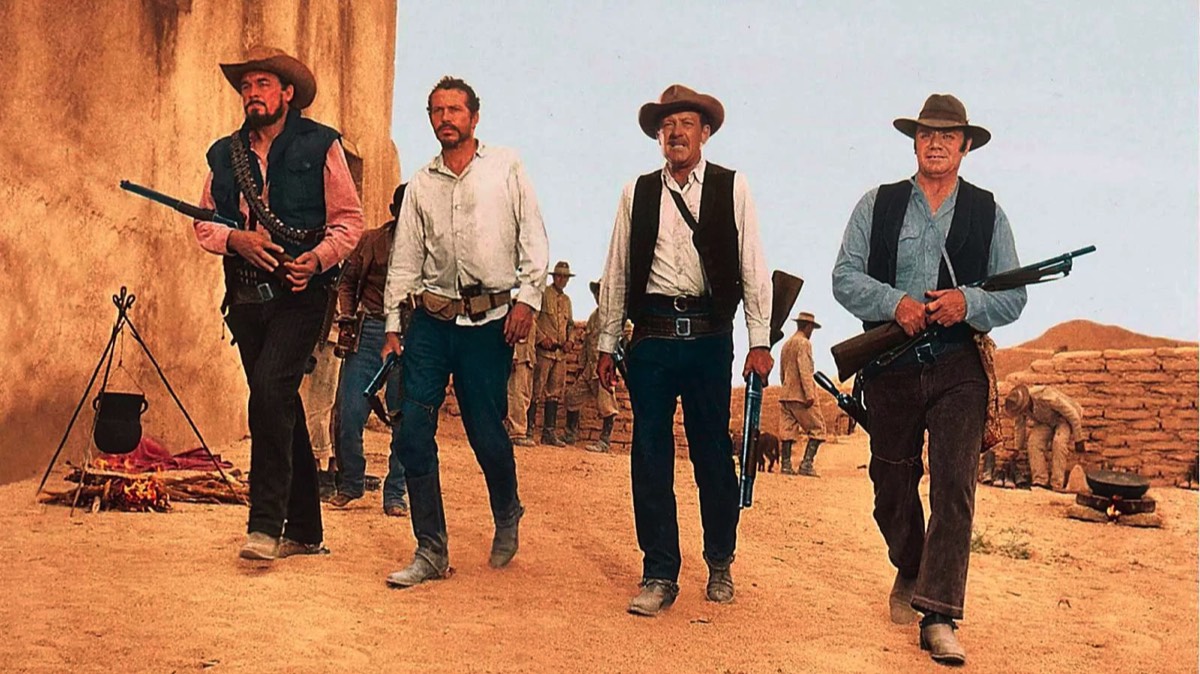
The Wild Bunch (1969)
"American director who has made some of the most exciting gun duels and action scenes ever put on screen. Nor was it all blood and thunder: the human spirit was never better celebrated than in some of Peckinpah's early work. Unfortunately, after The Wild Bunch, things did not develop quite as one would have hoped." - David Quinlan (Quinlan's Illustrated Guide to Film Directors, 1999)
"Sam Peckinpah was probably the greatest, and surely the most influential, director of action in the past half-century of movies: a virtuoso of speed, chaos, the intimate blur of violence… He was a great, innovative craftsman of film, but his sensibility was unique, inimitable. Action filmmakers can use an impersonal, impeccably directed movie like The Getaway as a textbook. But whatever it was that possessed Peckinpah on the morning he dreamed up The Wild Bunch's majestic walk is fundamentally unteachable. And it's probably safe to say that no one will ever again make—or feel the impulse to attempt—a movie like his last Western, Pat Garrett and Billy the Kid (1973). In telling the well-known story of the lawman Garrett's pursuit of his old friend Billy, Peckinpah slows the narrative to a fatalistic mosey—sleepwalk set to the tempo of faintly jingling spurs." - Terrence Rafferty (DGA, 2012)
"The more that emerges on Peckinpah the man, the clearer it is that he was in brazen pursuit of his own fantasies - and expecting others to pay for it. A very dangerous man, because he could be so damn good. Pat Garrett and Billy the Kid makes Clint Eastwood look like a carpetbagger." - David Thomson (The New Biographical Dictionary of Film, 2002)
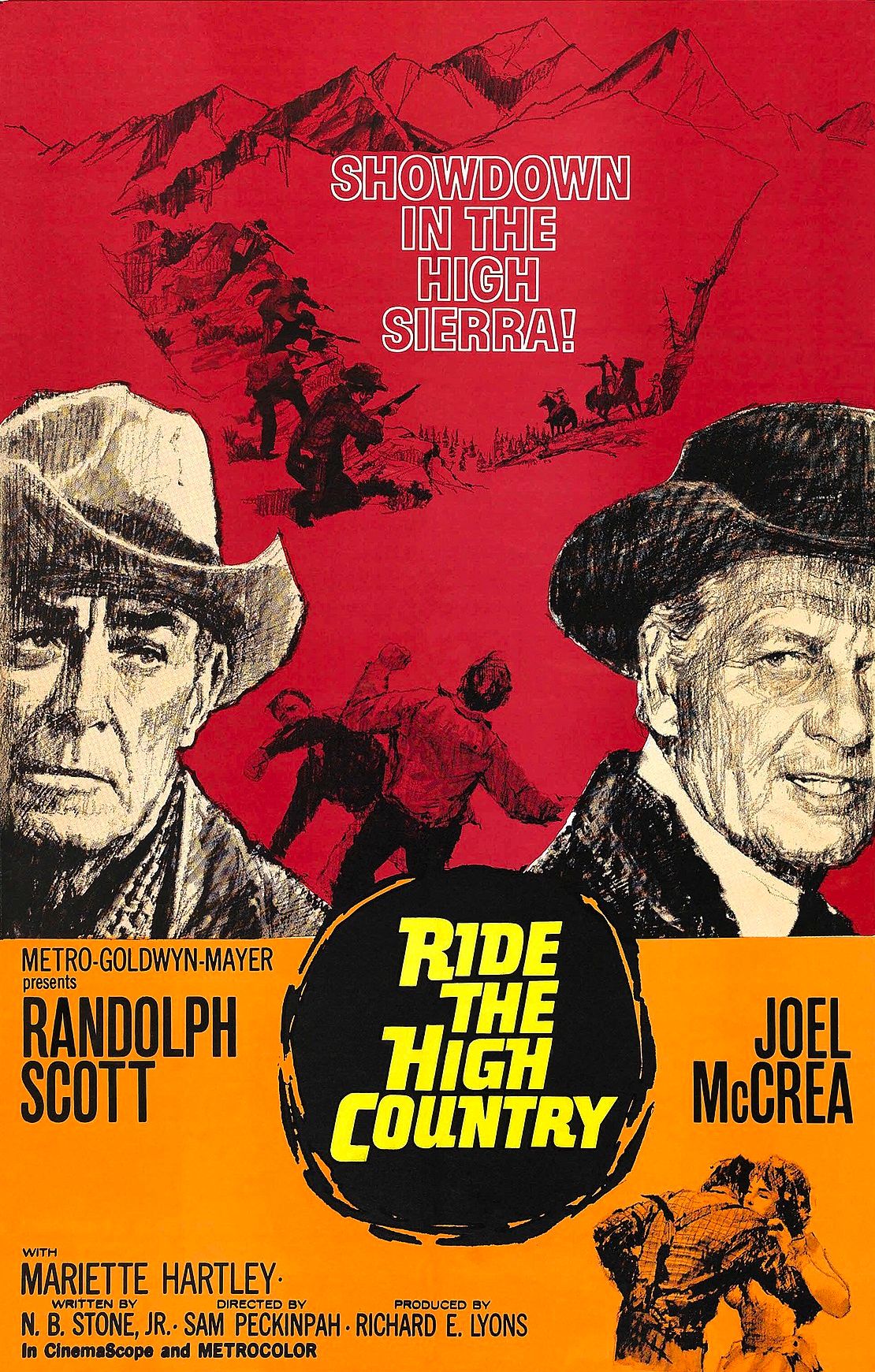
"The dying of the American West has been the subject of his best efforts (Ride the High Country, 62; The Wild Bunch, 69; The Ballad of Cable Hogue, 70). Lately, however, he's taken to projects containing mindless violence, limp plots, and surface characters (Bring Me the Head of Alfredo Garcia, 75; The Killer Elite, 75)." - William R. Meyer (The Film Buff's Catalog, 1978)
"I want to be able to make westerns like Akira Kurosawa makes westerns." - Sam Peckinpah
Selected Filmography
Loading filmography...
Sam Peckinpah / Fan Club
Paul Schrader, Steven Gaydos, Michael Sragow, Kiyoshi Kurosawa, Makoto Shinozaki, John Woo, Edward Buscombe, Ricardo Bedoya, Milan Pavlovic, Richard T. Jameson, Alexander Payne, Nigel Andrews.
Paul Schrader, Steven Gaydos, Michael Sragow, Kiyoshi Kurosawa, Makoto Shinozaki, John Woo, Edward Buscombe, Ricardo Bedoya, Milan Pavlovic, Richard T. Jameson, Alexander Payne, Nigel Andrews.
"Fan Club"
These film critics/filmmakers have, on multiple occasions, selected this director’s work within film ballots/lists that they have submitted.
These film critics/filmmakers have, on multiple occasions, selected this director’s work within film ballots/lists that they have submitted.