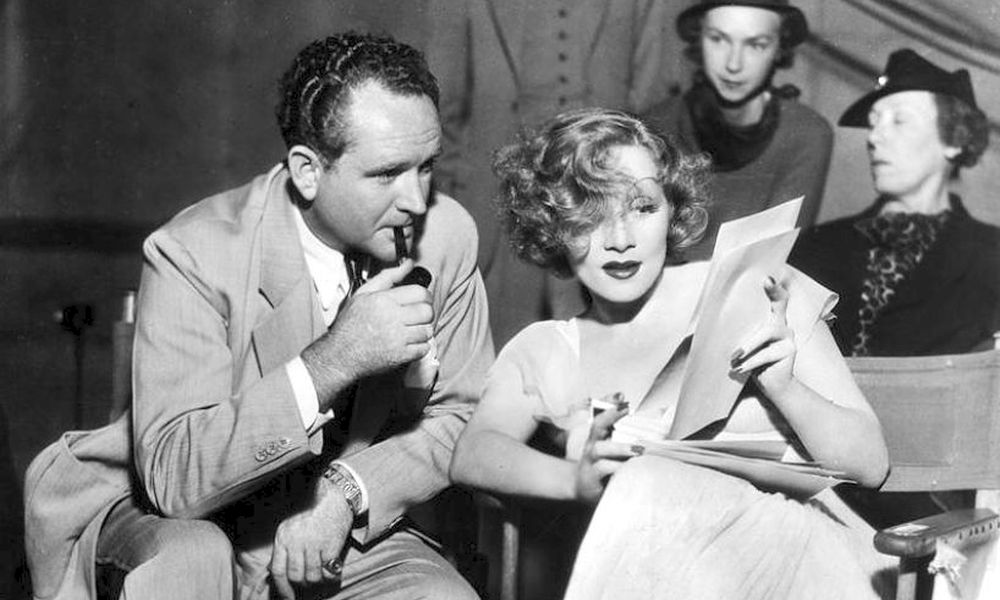
"To this day, he remains under appreciated, even obscure, perhaps because his melodramatic sensibilities have fallen out of fashion. Although his films may seem outdated due to their immediate political and social contexts, their emotional power and visual radiance remains undimmed; these are films as timeless and eternal as the loves they honour." - Jessica Winter (The Rough Guide to Film, 2007)
Frank Borzage
Key Production Country: USA
Key Genres: Drama, Romance, Romantic Drama, Melodrama, War Romance, War Drama, War, Musical
Key Collaborators: Cedric Gibbons (Production Designer), Charles Farrell (Leading Actor), William Fox (Producer), Franz Waxman (Composer), Paul Fix (Character Actor), Margaret Sullavan (Leading Actress), Joseph L. Mankiewicz (Producer), Margaret Clancey (Editor), Harry Oliver (Production Designer), Janet Gaynor (Leading Actress), Spencer Tracy (Leading Actor), Joan Crawford (Leading Actress)
Key Genres: Drama, Romance, Romantic Drama, Melodrama, War Romance, War Drama, War, Musical
Key Collaborators: Cedric Gibbons (Production Designer), Charles Farrell (Leading Actor), William Fox (Producer), Franz Waxman (Composer), Paul Fix (Character Actor), Margaret Sullavan (Leading Actress), Joseph L. Mankiewicz (Producer), Margaret Clancey (Editor), Harry Oliver (Production Designer), Janet Gaynor (Leading Actress), Spencer Tracy (Leading Actor), Joan Crawford (Leading Actress)
"Frank Borzage had a rare gift of taking characters, even those who were children of violence, and fashioning a treatment of them abundant with lyrical romanticism and tenderness, even a spirituality that reformed them and their story… There was a lasting tenderness about Borzage’s treatment of a love story, and during the days of the Depression and the rise of Fascism, his pictures were ennobling melodramas about the power of love to create a heaven on earth. Penelope Gilliatt has remarked that Borzage ‘‘had a tenderness rare in melodrama and absolute pitch about period. He understood adversity.’’ Outside of Griffith, there has never been another director in the business who could so effectively triumph over sentimentality, using true sentiment with an honest touch." - DeWitt Bodeen (International Dictionary of Films and Filmmakers, 1991)
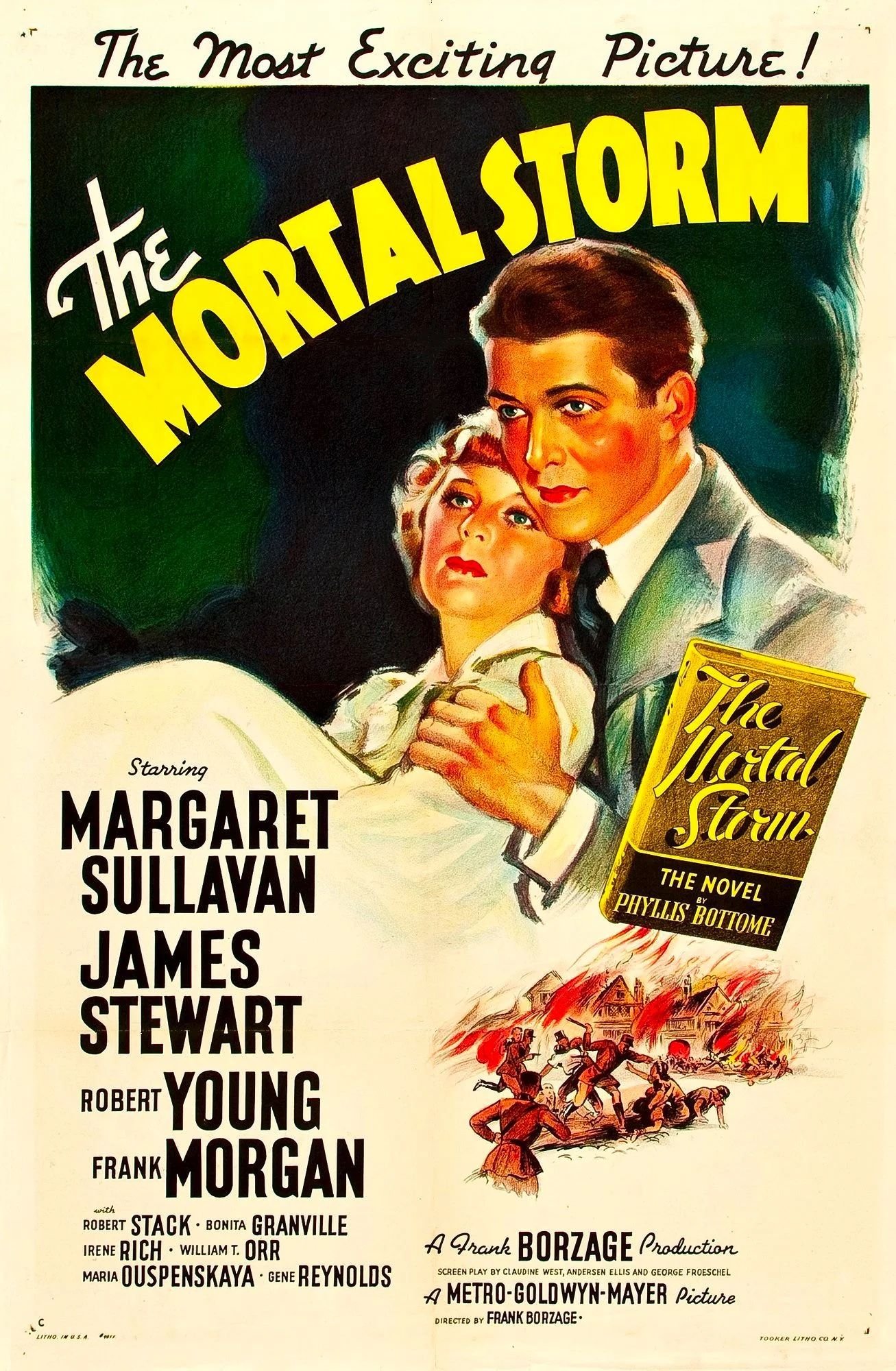
"By the mid-1920s, Borzage was one of the most successful Hollywood directors - as witness the fact that he won the newly created Oscar for direction twice in its first five years - for Seventh Heaven and Bad Girl. War, and the consequent taste for realism, destroyed the world he had created and after The Mortal Storm, only one other film - Moonrise - properly revealed his talent. As a result, he is now badly neglected." - David Thomson (The New Biographical Dictionary of Film, 2002)
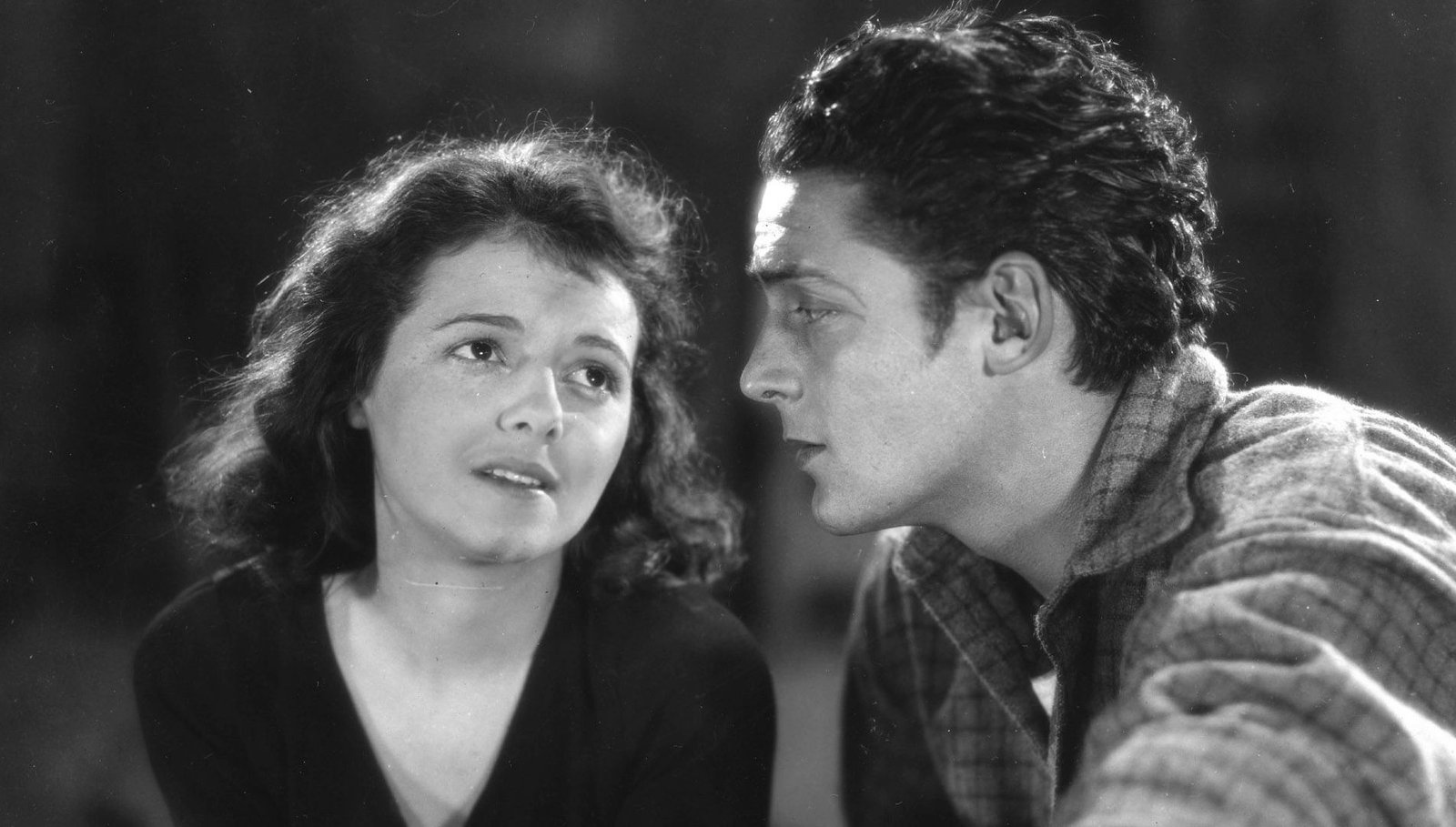
Seventh Heaven (1927)
"Frank Borzage was that rarity of rarities, an uncompromising romanticist... Borzage never needed dream worlds for his suspension of disbelief. He plunged into the real worlds of poverty and oppression, the world of Roosevelt and Hitler, the New Deal and the New Order, to impart an aura to his characters, not merely through soft focus and a fluid camera, but through a genuine concern with the wondrous inner life of lovers in the midst of adversity." - Andrew Sarris (The American Cinema, 1968)
"Borzage switched from acting to directing in 1916, bringing to the screen a dedication to romanticism that became his trademark. Although undoubtedly sentimental--and criticized by some for it--his films, from Humoresque (1920) through Moonrise (1948), were not only undeniably popular but, at their best, were also the moving, highly artful and visually enthralling work of an instantly recognizable filmmaker, a genuine auteur. Borzage was a pioneer in the use of techniques, such as soft focus, that have become standards of romantic filmmaking… A sensitive explorer of the pains and joys of love, and a true believer in its enduring power, Borzage made films in a surprisingly wide range of genres, from the romantic comedy to the war film." - Turner Classic Movies
"Crucial to his films' incandescent romanticism were his fluid use of the camera, floating through unoccupied spaces to suggest mysterious invisible forces existing beyond the material realm, and a focus on luminous faces; his attention to actresses, especially Janet Gaynor and Margaret Sullavan, made unusually palpable the strength of their undying love." - Geoff Andrew (The Director's Vision, 1999)
"His is a body of work that remains vital less for its visual sublimity than for its twin pillars of physical dynamism and philosophical extremity. For about twenty years, Borzage’s distinctly American brand of spirituality was in perfect accord with the sensibility of the country at large, a brief loss of faith during the late silent era notwithstanding. By the beginning of the Forties, he had become “outmoded” and, by the time he worked at Republic in the latter part of the decade, when many of his contemporaries were moving into the most glorious phases of their careers, he had already become an exotic remnant of an earlier era. But he never wavered in his own belief in himself and in paradise on earth through love and art." - Kent Jones (Film Comment, 1997)
"The films of his greatest period - the late Twenties and early Thirties - are filled with his unique blend of romanticism and spirituality, and feature pairs of lovers living out their charmed lives against backgrounds like the Great War (Seventh Heaven), the Depression (Man's Castle) and the rise of fascism in Europe (Little Man, What Now?). He was a supreme technician, especially adept at rendering mysticism with adventurous camerawork and lighting." - The Illustrated Who's Who of the Cinema, 1983
"Borzage's top films are laden with romance and expressive camera work and lighting." - William R. Meyer (The Film Buff's Catalog, 1978)
"The trouble with most directors is that they take the whole thing too seriously… Making a motion picture consists of merely going onto the set, training a camera on competent players and letting them enact a good script." - Frank Borzage
Selected Filmography
Loading filmography...
Frank Borzage / Fan Club
Miguel Marías, Bill Mousoulis, Martin Scorsese, Dan Sallitt, Daniel Kothenschulte, José Luis Guarner, Farran Smith Nehme, Andrew Sarris, Jorge García, Jesús Cortés, Richard Brody, Guy Maddin.
Miguel Marías, Bill Mousoulis, Martin Scorsese, Dan Sallitt, Daniel Kothenschulte, José Luis Guarner, Farran Smith Nehme, Andrew Sarris, Jorge García, Jesús Cortés, Richard Brody, Guy Maddin.
"Fan Club"
These film critics/filmmakers have, on multiple occasions, selected this director’s work within film ballots/lists that they have submitted.
These film critics/filmmakers have, on multiple occasions, selected this director’s work within film ballots/lists that they have submitted.